
NEWS
PoliticsAfrica Becomes Europe's Gas Lifeline as Global Energy Crisis Persist
By Emmanuel oniyide | 18th Mar 2026 | 7:10 AM
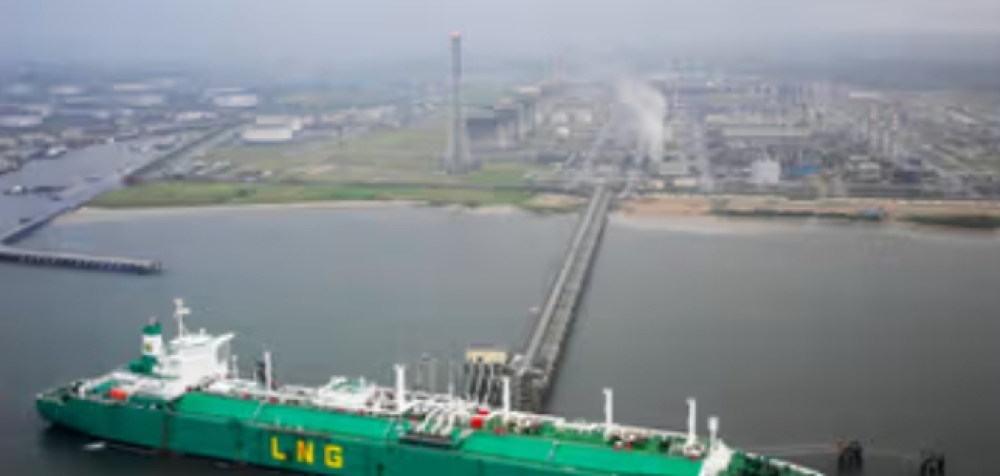

Africa is emerging as a critical supplier of liquefied natural gas (LNG) to Europe, capitalising on shifting global energy dynamics driven by instability in the Middle East and ongoing uncertainty over Russian gas supplies.
As Europe seeks to diversify its energy sources, African nations are stepping up to fill the gap with new projects and expanded capacity.
· Africa is positioning itself as a key LNG supplier to Europe amid intensifying energy security concerns.
· Countries including Nigeria, Senegal, and the Republic of Congo are expanding production and export capacity.
· European buyers are increasingly drawn to Africa's proximity and relatively stable shipping routes.
· Upcoming energy talks in Paris aim to secure long-term deals and deepen Africa–Europe energy ties.
Energy ministers from Senegal, Equatorial Guinea, Nigeria, and the Republic of Congo are scheduled to meet with European stakeholders in Paris next month at the Invest in African Energy Forum. The gathering aims to position Africa as a reliable, long-term partner for Europe as the bloc intensifies efforts to reduce its dependence on traditional, increasingly volatile energy sources.
Europe's energy landscape has undergone a major shift since the disruption of Russian pipeline gas supplies, forcing countries to diversify their imports. While suppliers such as the United States and Qatar have filled much of the immediate gap, African producers are steadily gaining traction due to their geographical proximity and comparatively secure shipping routes.
Nigeria remains Africa's leading LNG exporter and a key supplier to southern Europe. Portugal sources more than half of its LNG imports from Nigeria, while Spain continues to receive significant volumes. The expansion of the Nigeria LNG Train 7 project is expected to further strengthen the country's export capacity, reinforcing its position in the European market.
Elsewhere on the continent, other producers are scaling up output. Equatorial Guinea continues to export from its established Punta Europa facility, while the Republic of Congo is advancing the Congo LNG project, targeting an annual export capacity of around 3 million tonnes in its second phase.
Meanwhile, the Greater Tortue Ahmeyim project—a joint development between Senegal and Mauritania—began production in 2025, marking a significant milestone for West Africa's entry into the global gas market.
Analysts note that Africa's proximity to Europe provides a logistical edge, particularly as shipping routes from other regions face potential disruptions linked to geopolitical tensions. This advantage is becoming increasingly attractive to European buyers seeking stable and diversified energy supplies.
At the Paris forum, African leaders are expected to leverage this growing demand to secure concrete investment deals and long-term supply agreements. The outcome could cement Africa's role as a key pillar in Europe's evolving energy security strategy, while unlocking new revenue streams for producer nations across the continent.





Comment on this Post
Comments (0)