
NEWS
PoliticsAfrica’s colonial-era Infrastructure Blocking Intra-African Trade
By Emmanuel Oluwafemi Oniyide | 20th Jul 2026 | 9:02 AM
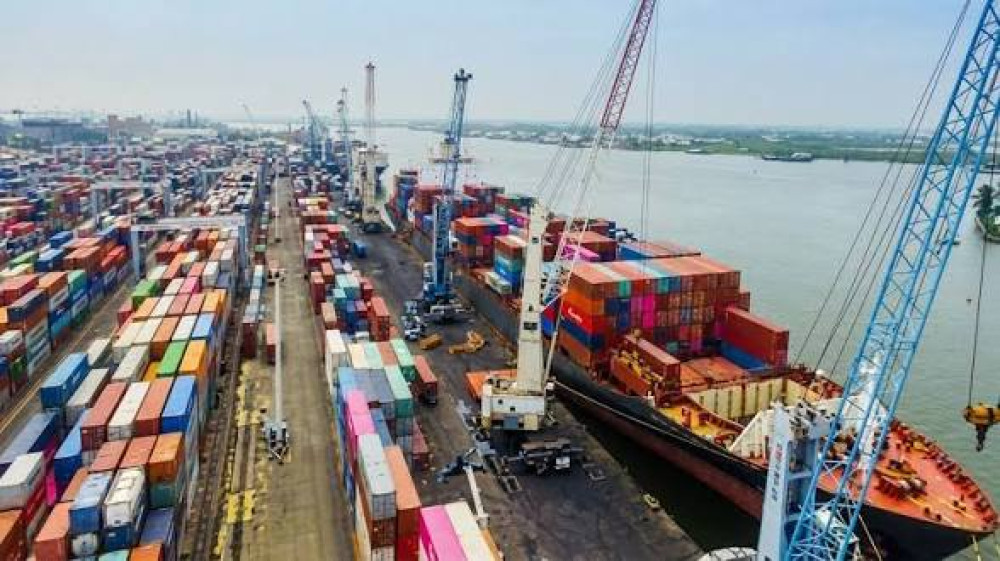

Africa’s logistics networks were built to export raw materials to the rest of the world, not to move goods between African countries—and that must change if the continent’s 1.4-billion-strong market is to deliver on its promise, a top Ugandan industry official said.
Humphrey Asiimwe, CEO of the Uganda Chamber of Energy and Minerals, made the call on the second day of the Manufacturing Indaba in Johannesburg on July 15.
“Africa does not have infrastructure pulling it together,” Asiimwe said. “One thing we need to determine under the African Continental Free Trade Area is how to create infrastructure that looks inwards. While Africa presents a market of 1.4-billion people, goods and services need to reach them.”
Asiimwe illustrated the absurdity of the current situation with a concrete example: Uganda needed drilling rigs, and Nigeria had them available. But with no means to transport heavy equipment across the continent, it was easier to source rigs from China and the United Arab Emirates. “This leaves the continent not working together,” he said.
He cited a rare success story: Uganda worked with the Democratic Republic of Congo in 2015 to build roads in eastern DRC, enabling Ugandan manufactured goods to reach that market—benefiting both countries.
Despite being landlocked, Uganda serves as a gateway to Burundi, eastern DRC, Rwanda and South Sudan, Asiimwe noted. Through the East African Community regional bloc, he said, “we looked at how we can support infrastructure in areas outside our country.”
Uganda began drilling for oil in 2006 and expects first oil in the second half of 2026. To avoid the “resource curse”—where resource wealth fails to benefit ordinary citizens—the country has enacted laws encouraging investors to earn a social licence to operate, including by developing local suppliers.
Asiimwe also argued for a more flexible approach to local content rules. If a mine will only produce for five to seven years, requiring investors to build refineries with a 15-to-20-year return horizon makes no sense.
“Countries should stop thinking about doing everything in one place,” he said. Graphite mined in Uganda could be processed in Tanzania and refined in Zambia. Ore from the DRC could be beneficiated in Zimbabwe, with final processing in South Africa. “African countries need to think about how we can build around various parts of the value chains.”
The Manufacturing Indaba, held at the Sandton Convention Centre from July 14 to 15, brought together thousands of manufacturers, policymakers and investors to discuss practical strategies for African industrialisation.
“No single African country can industrialise in isolation,” Muntanga Lindunda, CEO of the Zambia Association of Manufacturers, told the gathering.





Comment on this Post
Comments (0)