
NEWS
PoliticsChina’s September Coal Imports Fall 6% as High Inventories Weigh on Demand
By Emmanuel Oluwafemi Oniyide | 15th Oct 2026 | 10:33 AM
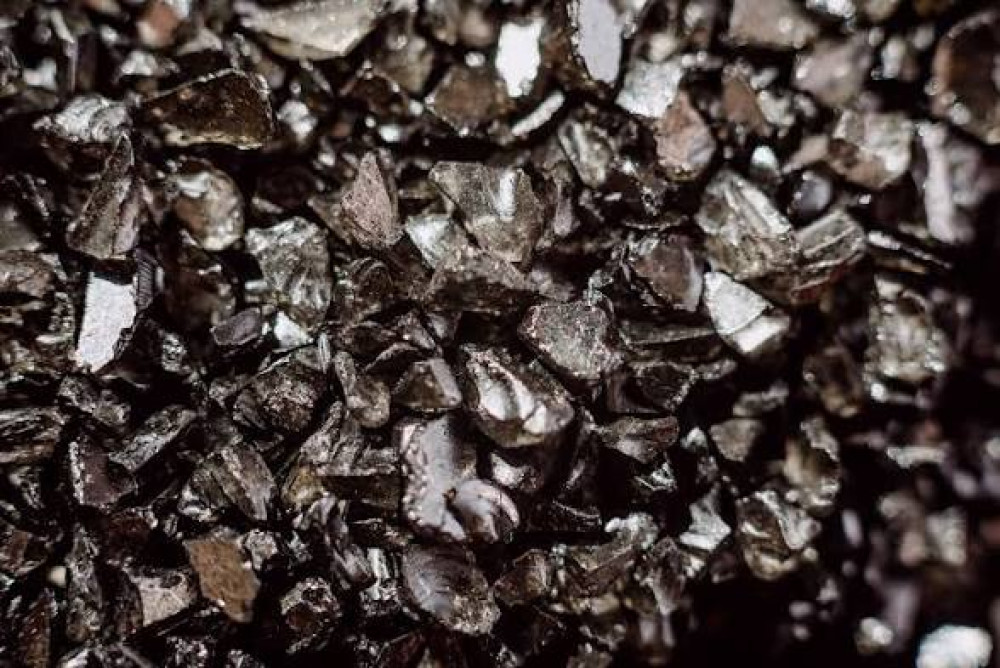

China’s coal imports fell 6% year on year in September to 43.37 million metric tonnes as high domestic inventories and supply constraints in Indonesia reduced demand and availability.
Data released by Chinese customs on Wednesday showed that September imports increased from 42.09 million tonnes in August, despite remaining below the level recorded a year earlier.
Higher coal inventories at coastal power plants contributed to the annual decline, partly reflecting weaker demand for cooling during a relatively mild summer.
“(The) inventory level at coastal power-generating companies is higher than previous years mainly owing to less cooling demand due to a relatively cool summer,” said Penny Chen, senior director at Fitch Ratings.
China’s coal demand has also faced pressure from increasing electricity generation from alternative sources.
The country’s fossil-fuel-fired power generation fell 4.3% year on year in August, the latest period covered by the National Bureau of Statistics data cited in the Reuters report. Higher output from hydropower, nuclear power and renewable energy reduced coal’s contribution to electricity generation.
Supply constraints in Indonesia, China’s leading coal supplier, also affected imports.
Jenny Huang, a senior director at Fitch Ratings, said production planning and approval adjustments under Indonesia’s annual mining production plan system had affected export availability. Low river levels in Kalimantan also disrupted coal transportation.
Indonesia requires mining companies to submit annual production plans, known as RKAB, for government approval. The plans establish production quotas that can influence the volume of coal available for export.
Imports remain higher year to date
Despite September’s annual decline, China’s coal imports increased 2.2% in the first nine months of 2026 to 353.54 million tonnes.
Imports surged in June and July after a fatal accident at the Liushenyu coal mine in Shanxi province in May triggered widespread safety inspections and production suspensions across the major coal-producing region.
The resulting domestic supply disruption prompted Chinese buyers to turn to overseas suppliers to meet demand.
September’s figures suggest that China’s import market is being shaped by several competing factors: domestic stockpiles, weather-related electricity demand, increased generation from alternative energy sources and export availability from major suppliers.
China imported 353.54 million metric tonnes of coal in the first nine months of 2026, up 2.2% from the same period a year earlier.Yorbeau Resources Spins Off Scott Lake Zinc-Copper Project Into New Subsidiary
Canadian mineral explorer Yorbeau Resources has established a wholly owned subsidiary, Chibougamau Metals Incorporated (CMI), to oversee the development of its Scott Lake zinc-copper property in Québec, Canada.
The new company will operate as a standalone vehicle focused exclusively on the Scott Lake project, allowing Yorbeau to explore financing options dedicated to its development.
CMI will be led by Terry Kocisko as chief executive officer, while George Bodnar Jr will serve as president and chief financial officer.
Located in the Chibougamau area of Québec, the Scott Lake property comprises three blocks: the Ouje claims, the Thundermin block and the Scott-Diagold block.
Yorbeau has been delineating mineralisation across the property and commissioned SLR Consulting to provide technical recommendations for future exploration activities.
The subsidiary's creation comes as Yorbeau shifts its own exploration focus towards the Detour, Joutel and Selbaie areas of northwestern Québec.
The company said it would assess financing alternatives for CMI as it advances its broader exploration priorities.
The move separates the Scott Lake asset into a dedicated corporate structure, creating a vehicle focused on its development while allowing Yorbeau to concentrate on exploration elsewhere in Québec.





Comment on this Post
Comments (0)