
NEWS
PoliticsCopper Supply Concerns Revive Dormant Mines as Producers Race to Meet Future Demand
By Emmanuel Oluwafemi Oniyide | 16th Oct 2026 | 10:45 AM
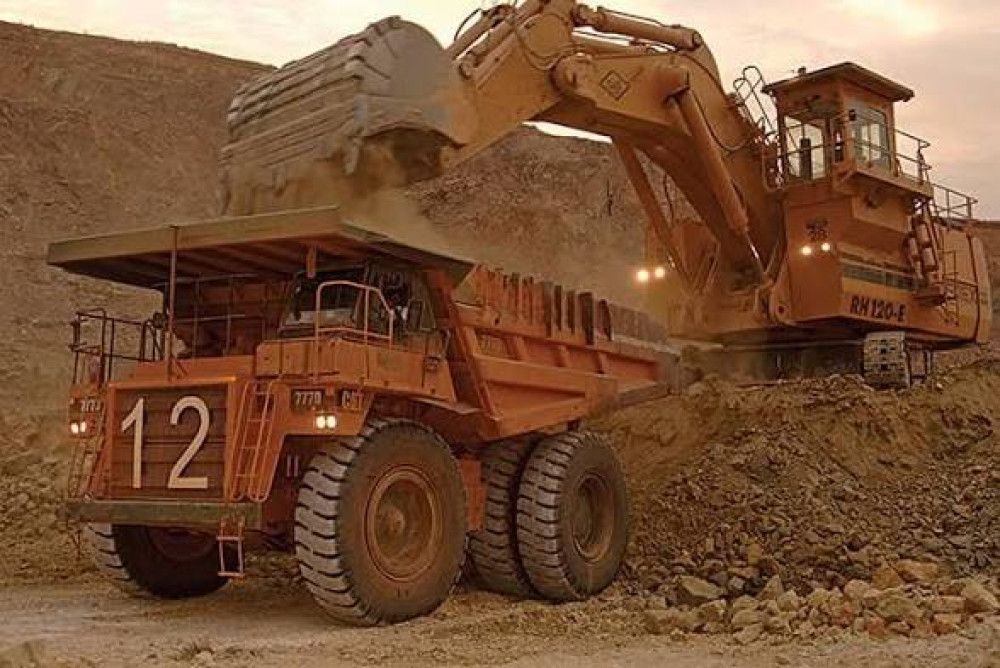

Expectations of a long-term copper shortage are prompting mining companies to revive dormant operations, with projects across Australia, Zambia and Argentina among those being prepared to return to production.
Consultancy Benchmark Mineral Intelligence is tracking nearly one million tonnes of potential annual copper production from mine restarts by 2030, equivalent to more than 4% of current global output.
The renewed interest comes as copper demand is expected to rise sharply, driven by electrification, renewable energy infrastructure and expanding data centres. However, restarting old mines presents operational, environmental and political challenges that could limit their contribution to future supply.
In Tasmania, Australia, Sibanye-Stillwater approved the restart of the Mt Lyell copper mine in September after 12 years of inactivity.
The mine, which began operating in the 19th century, was once the largest copper producer in the British Empire. Sibanye acquired it for $10 million in 2023 and expects to invest approximately $340 million to bring it back into production.
The company aims to restart operations in 2029 and gradually increase annual output to 26,000 tonnes.
As part of the redevelopment, Sibanye has digitised more than a century's worth of hand-drawn geological records and mine plans to support modern planning and operations.
The mine closed in 2014 following two fatal accidents within six weeks. Its closure cost about 200 jobs in Queenstown, a nearby town with a population of nearly 2,000.
Sibanye expects the restart to create approximately 300 jobs and is refurbishing accommodation and building housing in Queenstown rather than establishing a separate workers' camp.
The redevelopment will also introduce remote-controlled loaders and greater automation to improve operating standards and reduce workers' exposure to hazardous underground conditions.
Reviving established mines can be quicker than developing entirely new projects because dormant operations may already have known mineral deposits, infrastructure and permitting histories.
According to S&P Global Energy, new discoveries take an average of 17 years to reach production, highlighting the potential advantage of restarting existing assets as supply pressures intensify.
Copper prices have strengthened the commercial case for some projects. The London Metal Exchange's benchmark copper contract reached a record $14,875 per tonne on September 10, according to the report.
However, analysts say the broader concern is not simply current prices but the potential gap between future demand and available supply.
“Many of these operations are relatively small, but collectively they can make an important contribution to bridging the copper mine supply gap over the medium term,” said Craig Lang, principal analyst at Dr CRU.
In Zambia, partial production has resumed in the upper section of the Luanshya mine after more than two decades offline. Underground infrastructure is also being developed as the operation works towards a target of 100,000 tonnes of annual production by 2030.
The mine is majority-owned by China Nonferrous Mining Corporation.
In Argentina, Glencore plans to restart its Alumbrera copper mine in the second half of 2027. The operation, which has been closed since 2018, is expected to produce a total of 75,000 tonnes of copper over four years.
The restart is also intended to support the development of the nearby Agua Rica deposit, which has the potential to produce more than 20,000 tonnes of copper annually.
Other potential restarts include Cobre Panama and the Panguna mine in Papua New Guinea. However, both projects face political considerations that could affect their timelines.
Panguna, once one of the world's largest open-pit copper mines, has been closed since 1989 following the outbreak of a civil war. Last month, a mining camp at the site was attacked, with personnel assaulted and equipment destroyed.
Despite their potential, dormant mines are not automatically viable candidates for redevelopment.
Flooding, deteriorating processing facilities, ageing tailings dams, stricter environmental requirements and community opposition can increase costs and delay projects.
Charles Cooper, head of copper research at Wood Mackenzie, cautioned that understanding why a mine originally closed is essential when assessing whether it can operate profitably again.
Historical analysis by Wood Mackenzie indicates that revived mines produce an average of approximately 33,000 tonnes of copper annually. By comparison, expansions at existing operations can add more than 100,000 tonnes a year, making expansions another important source of future supply.
S&P Global Energy projects that global copper demand could rise by 50% to 42 million tonnes annually by 2040, driven by the energy transition and data-centre expansion.
Even if nearly half of new mine supply comes from restarts and expansions of existing resources, the market could still face a structural shortfall of 10 million tonnes, according to the consultancy's projections.
“Brownfield additions can buy the market valuable time, but they cannot replace the need for brand-new, world-class tier-1 discoveries to satisfy that scale of demand,” said Eillen Grace Dela Cruz, principal analyst at S&P Global Energy.
For Sibanye-Stillwater, the immediate target is to bring Mt Lyell back into production in 2029, with annual copper output expected to reach 26,000 tonnes as the operation adopts more automated mining methods.





Comment on this Post
Comments (0)