
NEWS
PoliticsEgypt Clear $1.3 Billion Owed IOCs to Revive falling Production
By Emmanuel oniyide | 23rd Mar 2026 | 7:33 PM
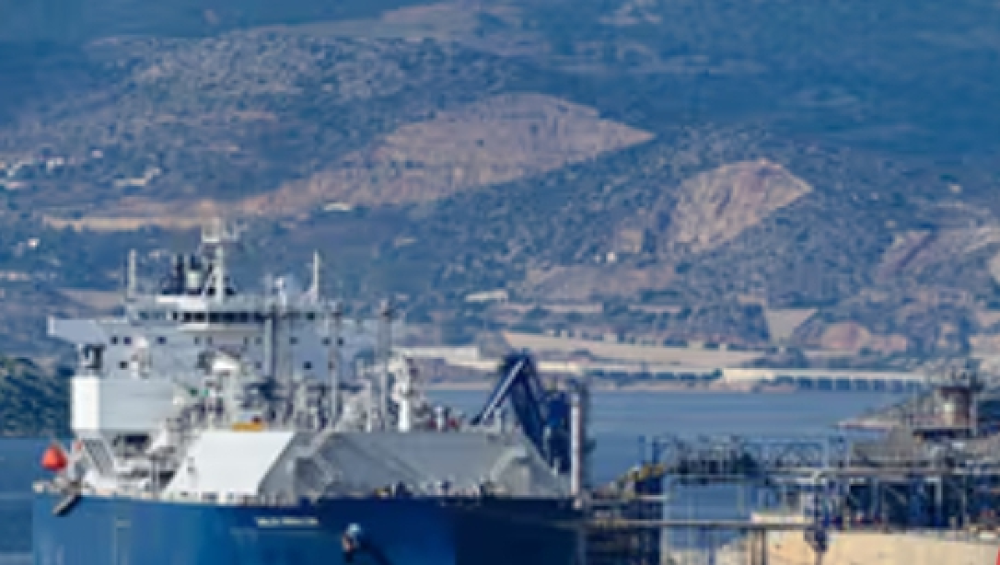

Egypt said it will pay $1.3 billion in arrears owed to international oil companies by June, bringing forward its repayment timeline as it tries to stabilise its energy sector and rebuild investor confidence.
The country had accumulated about $6.1 billion in unpaid dues to foreign oil and gas firms by June 2024, largely due to a prolonged shortage of foreign currency that delayed payments and disrupted investment.
Although the pressure on foreign exchange has eased in recent months, some companies have warned that payment delays had started to build up again.
Under an earlier plan announced in January, Egypt expected to still owe around $1.2 billion by mid-2026. The revised schedule signals a more aggressive effort to clear the backlog, with authorities now integrating regular payments into budget planning.
The move is part of a broader strategy to revive upstream oil and gas activity. Analysts say settling arrears is critical to encouraging international firms to resume drilling and exploration, which have slowed in recent years.
Egypt's domestic energy production has been declining since it peaked in 2021, increasing the country's reliance on imports, particularly liquefied natural gas. This has exposed the economy to global price shocks and pushed up the energy import bill.
The pressure has intensified amid geopolitical tensions in the Middle East, which have driven up oil prices and increased Egypt's import costs. According to the Institute of International Finance, higher oil prices could raise government spending by between 0.2 per cent and 0.55 per cent of GDP, adding strain to an economy still recovering from multiple external shocks.
To manage rising demand and reduce costs, the government is also considering energy-saving measures, including remote working for some public employees and earlier closing hours for shops.
Ultimately, Egypt's ability to sustain debt repayments and attract fresh investment will depend on maintaining adequate foreign exchange reserves and ensuring stability in its macroeconomic environment. For now, clearing arrears is seen as a necessary step to restore confidence and reverse the decline in domestic energy output.





Comment on this Post
Comments (0)