
NEWS
PoliticsFrom Deep Darkness to Surface Light: Harmony’s New Golden Era
By Emmanuel oniyide | 13th Mar 2026 | 10:13 AM
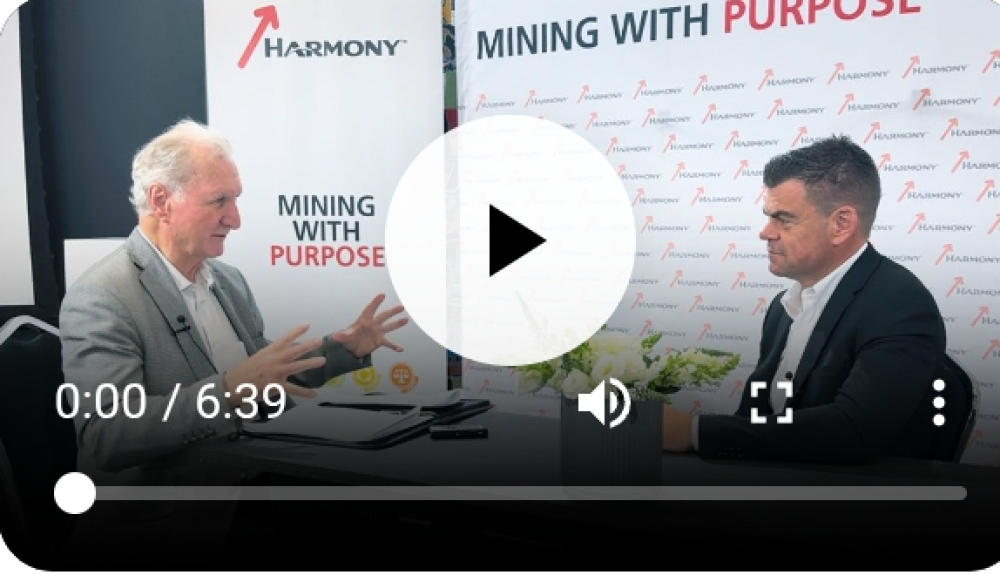

For 75 years, Harmony Gold built its legacy in the oppressive heat and darkness of South Africa’s deepest underground tunnels. But if you listen to CEO Beyers Nel today, the future of the company is no longer just about going down—it is about looking up.
Standing on the surface at their operations in the Free State, Nel sees a different kind of gold rush. Beneath his feet, in the massive tailings dams left behind by decades of mining, lies a treasure trove: an estimated 5.7 million ounces of gold, waiting to be recovered without a single miner stepping into a shaft.
"We haven't yet finalised those studies," Nel said, referring to the company's ambitious plans to reprocess these massive dumps near Mponeng and in the Free State. "But they will fit firmly into our surface production strategy—which represents high-margin, safe production for the future."
This pivot to surface recovery marks a strategic shift for the JSE-listed giant. It is a move driven by the memory of recent volatility: an earthquake in Papua New Guinea that crippled the Hidden Valley mill, and a sudden cyanide shortage in South Africa that forced the company to get creative, importing solid briquettes and building new dissolution plants to keep their gold flowing.
But Harmony is not just surviving; it is transforming. While Nel speaks with visible excitement about copper assets in Australia—calling the high-grade CSA mine "phenomenal"—he refuses to turn his back on his homeland. Despite the operational headaches, the outlook for South Africa remains positive.
"We're also quite optimistic about investing further in South Africa to sustain jobs and ensure the country's gold mining industry remains as strong as it's always been," Nel emphasized.
The story of Harmony Gold is no longer just a tale of digging deeper. It is a story of diversification, of turning waste dumps into high-margin assets, and of leveraging 75 years of underground grit to build a safer, brighter future—literally on the surface.





Comment on this Post
Comments (0)