
NEWS
PoliticsG Elias Advises Lenders on US$1.108 Billion Financing for Nigeria's IMA Gas Field Development
By Emmanuel Oluwafemi Oniyide | 23rd Nov 2026 | 10:25 AM
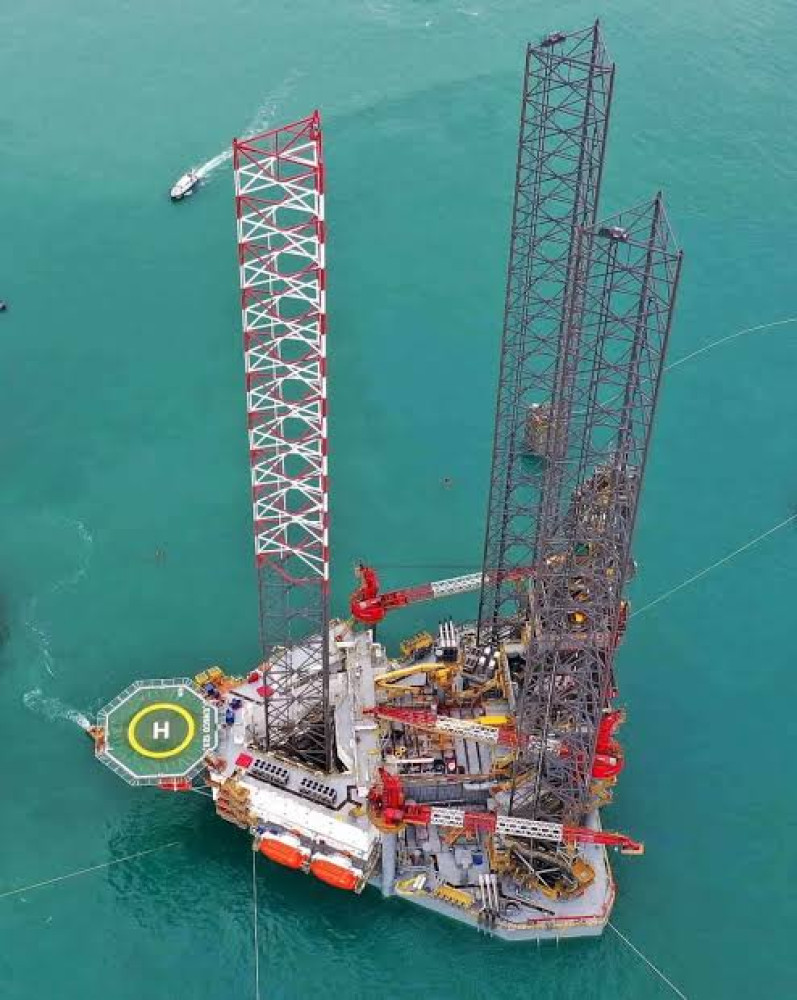

Nigerian law firm G Elias has advised a syndicate of lenders led by Standard Chartered Bank on a debt financing programme of up to US$1.108 billion for the development of the IMA non-associated gas field offshore Nigeria.
The financing will support the development and commercialisation of gas reserves operated by TotalEnergies EP Nigeria Limited in partnership with indigenous oil and gas company AMNI International Petroleum Development Company Limited.
The IMA Gas Project reached Final Investment Decision (FID) on September 23, 2026, marking the transition from project planning to execution. The development has an estimated cost of US$1.108 billion and independently confirmed gross reserves of approximately 1.28 trillion cubic feet (Tcf) of non-associated gas.
The financing involves seven banks: Zenith Bank, Access Bank, United Bank for Africa (UBA), Guaranty Trust Bank (GTBank), Standard Bank, Standard Chartered Bank and First Abu Dhabi Bank. Nigerian financial institutions are providing more than 70 per cent of the financing.
G Elias acted as Nigerian legal counsel to the lenders, while international law firm White & Case served as international legal counsel. On the sponsors' side, Parsons advised AMNI and TotalEnergies as international legal counsel, Banwo & Ighodalo provided Nigerian legal advice, and CMS acted as Dubai International Financial Centre (DIFC) counsel.
Located in shallow waters off Bonny Island, Rivers State, the IMA field straddles Oil Mining Leases (OMLs) 112 and 117. AMNI holds a 60 per cent participating interest, while TotalEnergies holds the remaining 40 per cent and operates the project.
At peak production, the development is designed to deliver approximately 350 million standard cubic feet of gas per day (MMscf/d) for at least eight years.
The gas will be supplied to Nigeria LNG (NLNG), with the project expected to provide approximately 30 per cent of the feed gas required for the company's Train 7 expansion.
First gas is targeted for 2028, with the development moving into its engineering, procurement and construction phase following the investment decision.
The financing is structured around a receivables-sale arrangement linked to a 15-year gas sales agreement with NLNG. It also includes a security structure designed to protect lenders' interests in the gas development without extending the security to AMNI's separate oil assets.
The project is expected to contribute to Nigeria's domestic gas supply, support LNG production and strengthen the country's position in the international gas market.




Comment on this Post
Comments (0)