
NEWS
PoliticsGhana’s Sole Refinery Plans Major Upgrade, Capacity to Reach 45,000 bpd
By Emmanuel oniyide | 11th Mar 2026 | 12:13 AM
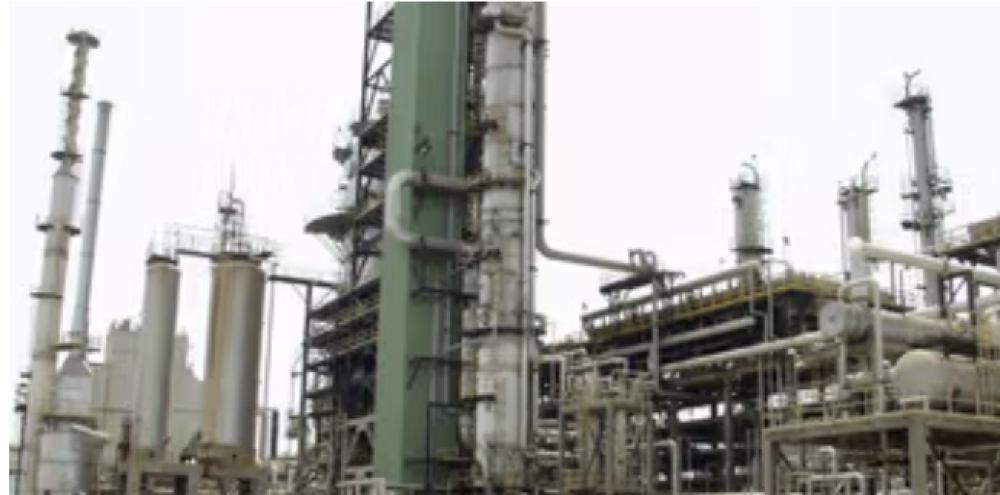

Ghana is moving to strengthen its domestic fuel supply as the Tema Oil Refinery (TOR) prepares to significantly increase its crude processing capacity, a move that could modestly boost refining capacity across West Africa.
The state-owned refinery plans to expand output from about 28,000 barrels per day (bpd) to 45,000 bpd—a 61% increase—through the integration of a new fuel processing unit (F-61) that will work alongside its existing facility. Both units will be connected to the refinery’s crude distillation system, allowing the plant to process larger volumes of crude and produce more refined petroleum products.
TOR’s Corporate Affairs Officer, Godwin Mahama Ayaba, confirmed that the refinery’s current capacity stands at 28,000 barrels per stream day. With the addition of the F-61 unit, output will rise to 45,000 barrels per stream day as the new unit works alongside the existing F1 unit. Production continues while the refinery integrates the F-61 unit.
Once operational, the expansion could reduce Ghana’s reliance on imported refined fuels while strengthening the country’s position in the region’s evolving refining landscape. West Africa has long relied heavily on imported petroleum products due to limited refining capacity.
However, the region’s supply dynamics have begun to shift following the launch of Nigeria’s Dangote Petroleum Refinery, the largest in Africa with a capacity of 650,000 barrels per day.
While smaller in scale compared with Dangote’s mega-refinery, the expansion of the Tema facility could still help stabilize supply in the sub-region, particularly for neighboring countries that depend on fuel imports through Ghana’s ports.
The development reflects Ghana’s broader push to strengthen its natural resource sectors in recent years. The Tema Oil Refinery is Ghana’s only refinery and currently meets a significant portion of the nation’s fuel demand. Crude oil for the refinery is sourced primarily from Nigeria and other African producers, including Equatorial Guinea, Cameroon, Gabon, and Angola.
According to the Ghana Infrastructure Plan 2018–2047, there are plans to further increase TOR’s capacity from 45,000 bpd to 60,000 bpd. In addition, a completely new refinery is planned in the Western Region to process Ghana’s indigenous offshore oil discoveries.
The country remains Africa’s largest gold producer, with output exceeding 4 million ounces annually, according to data from the Ghana Chamber of Mines. The mining sector continues to attract major international investors and contributes significantly to government revenue. In the oil sector, Ghana has also recorded steady progress. Production from the Jubilee Oil Field, TEN Oil Field, and Sankofa Oil Field has helped position the country as one of West Africa’s notable crude producers.
Energy analysts say strengthening refining capacity alongside expanding resource production could help Ghana capture more value domestically. For the region, incremental upgrades like the one planned at Tema may not transform the market overnight, but they signal a broader trend of African countries seeking to process more of their own resources rather than exporting them in raw form.





Comment on this Post
Comments (0)