
NEWS
PoliticsHow Ghana Is Redefining Resource Sovereignty, Mining Prosperity
By Emmanuel Oluwafemi Oniyide | 27th Oct 2026 | 12:34 PM
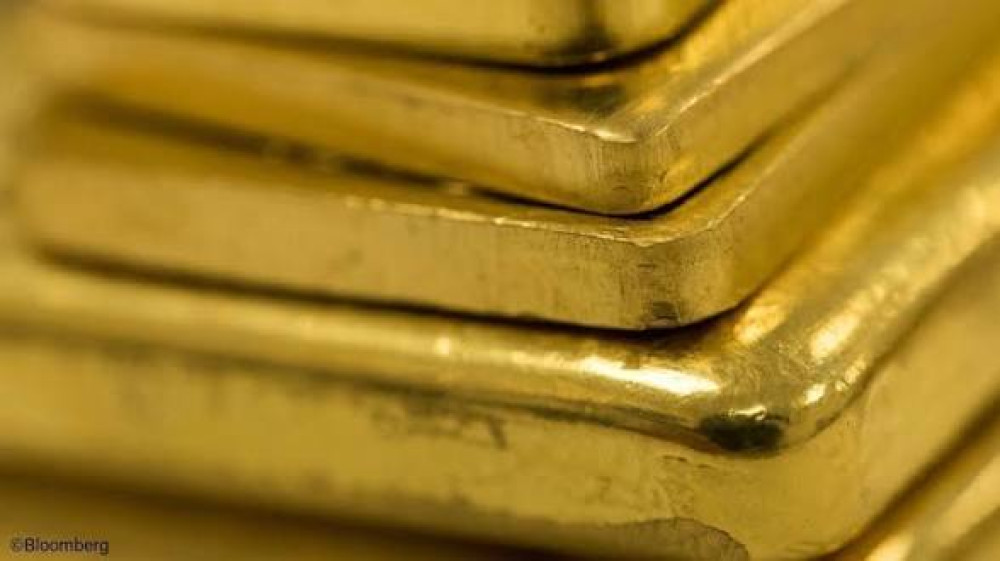

Ghana has long been one of Africa’s leading gold producers, but for decades the country exported its raw minerals and imported finished products at a premium — a paradox that left the benefits of its mineral wealth concentrated in foreign refineries and trading houses while host communities remained underserved. Now, under a deliberate policy shift, Ghana is attempting to rewrite that story.
From a state-backed gold refinery in Accra to a revised mining bill before Parliament, a lithium partnership in Ewoyaa, and stricter rules on raw exports, the country is moving to capture more value at home. The ambition is not simply to dig more gold, but to process, refine, certify and trade it — and to ensure that the wealth beneath Ghanaian soil translates into jobs, revenue and industrial capacity.
The Gold Refinery: From Raw Exports to “Made in Ghana” Bars
The centrepiece of Ghana’s value-addition push is the Gold Coast Refinery in Accra, which was designated as the country’s official gold refinery in 2025. Ghana secured a 15% free carried interest in the refinery, giving the state shareholder rights and access to dividends without requiring it to contribute capital. Under an agreement signed in January 2026, the Ghana Gold Board (GoldBod) supplies the refinery with one metric tonne of gold per week for local processing. The refinery says it can process up to 100 tonnes annually and produce gold with a purity of 99.999%.
The model has already produced results. In February 2026, Finance Minister Cassiel Ato Forson disclosed that refining operations had created about 162 additional jobs and enabled the refinery to operate on a 24-hour basis. The initiative is designed to retain refining fees that were previously paid to facilities in Switzerland, India and the United Arab Emirates, and to improve the tracking of gold exports.
At the same time, Ghana has taken a more assertive stance on its reserves. In May 2026, the central bank raised the share of annual output that large-scale gold miners must sell to it from 20% to 30%, as part of a push to rebuild foreign exchange reserves and support the cedi. Governor Johnson Asiama said in September 2026 that rebuilding reserves would remain a key priority, even as gold exports paused and reserves fell to 24.4 tonnes in June 2026 from 33 tonnes a year earlier.
The Lithium Opportunity: Ewoyaa and the Value Chain
Ghana’s ambitions extend beyond gold. The Ewoyaa lithium project in the Central Region is positioned to become the country’s first lithium mine, with production targeted for 2027. In September 2026, the project crossed a critical threshold when Zhejiang Huayou Cobalt assumed Elevra Lithium’s rights and interests, taking a 22.5% stake and committing to sole-fund the remaining $66 million of development costs to earn a further 27.5%, bringing its total interest to 50%. Atlantic Lithium retains a 50% interest and operational continuity.
The arrangement removes a key financing uncertainty and brings in a partner with significant technical and financial capacity. For Ghana, the project offers an opportunity to establish a lithium value chain — not just extraction, but potentially downstream processing and refining. The government has signaled that it wants lithium to follow the gold model: local beneficiation, state participation and transparent offtake arrangements.
The Revised Mining Bill: State Shares and Lease Terms
Ghana’s legislative framework is also being reshaped. The Minerals and Mining Bill, 2026, currently before Parliament, is expected to be replaced with a revised version that restores a maximum 20-year mining lease term — up from a proposed 15 years, but still shorter than the up-to-30-year terms under the current law. The bill also introduces the minister’s power to require mining companies to issue the state a special share, with tougher penalties for non-compliance.
The Ghana Chamber of Mines has engaged with the government, and Chief Executive Ken Ashigbey said discussions had produced “good compromise positions,” including the 20-year lease term. The government’s stated objective is to ensure that mining agreements deliver fair benefits to the state and host communities, while maintaining an investable environment.
Local Content and Community Development
Ghana has also tightened local content requirements. The Local Content Regulations, which came into effect on January 1, 2026, require mining companies to allocate an increasing share of core procurement to Zambian-owned and citizen-empowered companies — beginning at 20% in 2026 and rising to not less than 40% within five years. A 15% price preference is given to local companies during financial evaluation. All non-core mining services — including catering, security and haulage — have been reserved exclusively for local firms.
At the same time, the revised mining bill introduces district mining committees as the entry point for licensing and abolishes the reconnaissance licence in favour of a single prospecting licence capped at five years. The government has also said that every lease will carry a mandatory community development agreement.
Challenges: Energy, Illegal Mining and Implementation
Ghana’s resource sovereignty agenda faces significant hurdles. The country’s energy sector remains under strain, and the processing and refining ambitions depend on reliable, affordable power — a constraint that has hobbled similar efforts in South Africa, where ferrochrome smelters have shut due to rising electricity costs.
Illegal mining, known locally as galamsey, continues to degrade rivers and farmland, and the government has faced criticism for slow enforcement. The pause in gold exports by GoldBod since August 2026 has also raised questions about the operational readiness of the new marketing arrangements.
And while the revised mining bill is expected to address industry concerns, the details of the special share provision and its potential impact on investment remain a subject of debate.
Ghana’s approach represents one of the most comprehensive attempts by an African government to move from raw extraction to value addition. By refining gold at home, taking a stake in the refinery, requiring miners to sell more gold to the central bank, and building a lithium value chain, the country is testing whether resource sovereignty can be translated into industrial prosperity.
The model is not without risks. Energy constraints, illegal mining, and the need for sustained investment and regulatory certainty will determine whether Ghana’s ambitions are realised. But the direction of travel is clear: Ghana is no longer content to export its wealth in raw form and import the benefits. It is seeking to reclaim the value beneath its soil — and to ensure that the next chapter of its mining story is written at home.





Comment on this Post
Comments (0)