
NEWS
PoliticsNamibia Leads in Africa's $124 Billion Critical Minerals Race
By Emmanuel oniyide | 18th Mar 2026 | 6:57 AM
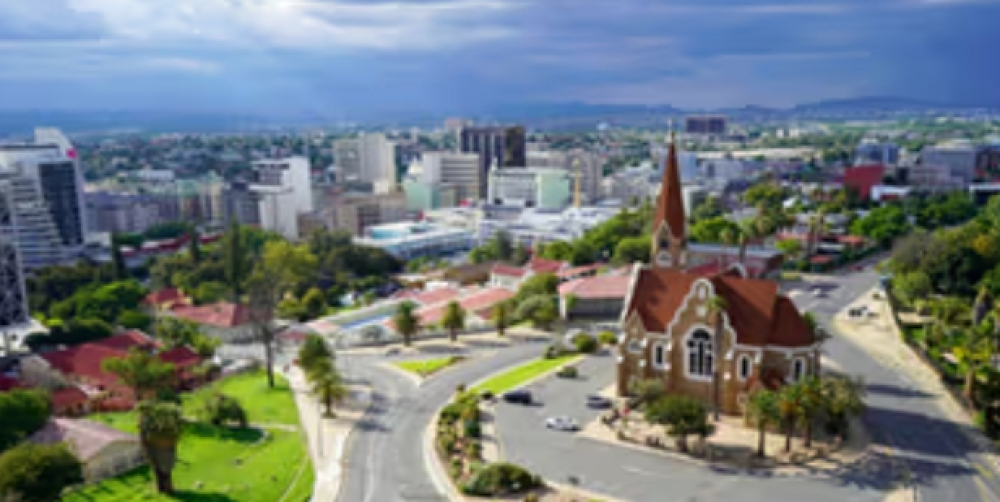

Namibia is rapidly establishing itself as one of Africa's most dynamic mineral exploration hubs, attracting a surge of investor interest as the global race for critical resources accelerates.
· Namibia is emerging as Africa's premier exploration frontier, with over 800 new licence applications received.
· Regulatory reforms and the adoption of digital platforms are streamlining approvals and reducing backlogs.
· South Africa, Ghana, Zambia, and Guinea are also scaling up exploration to meet soaring global demand.
· This wave of activity underscores Africa's growing strategic importance in global supply chains for clean energy and industrial metals.
The southern African nation has received more than 800 new exploration licence applications, according to Mining Commissioner Isabella Chirchir, highlighting the intensifying competition for minerals essential to clean energy technologies. In response, Namibia is overhauling its licensing framework, introducing digital platforms designed to clear administrative backlogs and fast-track approvals.
Authorities are currently processing over 600 pending environmental applications alongside the recent influx of bids, underscoring both the immense investor interest and the resulting administrative strain. Namibia currently holds 588 active prospecting licences and is strategically working to broaden its focus beyond traditional strengths in uranium and diamonds to cultivate a more comprehensive critical minerals ecosystem.
These developments reflect a wider continental push to unlock untapped reserves and reposition Africa within global supply chains. Organisers of African Mining Week note that governments are increasingly prioritising greenfield exploration as a pathway to industrialisation, job creation, and economic diversification.
South Africa, the continent's most industrialised economy, has also significantly stepped up its efforts, awarding 358 prospecting rights and 32 mining licences in 2025. Authorities describe this as a "significant step toward unlocking mineral resources and supporting long-term production growth."
Pretoria has additionally committed approximately $124 million in support for small-scale miners and is targeting an ambitious $124 billion in sector-wide investment, with a focus on platinum group metals, iron ore, and other strategic resources.
In West Africa, Ghana continues to cement its position as the continent's leading gold producer, with more than 90 active exploration projects and over $20 billion in mining investment secured in the past two years. The government is also broadening its exploration efforts to include bauxite, cobalt, manganese, and nickel, aligning its portfolio with the demands of the global energy transition.
Elsewhere, Zambia is ramping up copper production with a target of 3 million tonnes annually by 2031, while Guinea is making progress on the $20 billion Simandou project, widely regarded as the world's largest untapped iron ore deposit.
This renewed wave of exploration comes as global demand for critical minerals is projected to quadruple by 2040, positioning Africa as a key frontier in the international competition for vital resources.



Comment on this Post
Comments (0)