
NEWS
PoliticsSenegal Revokes 71 Mining Licences, Freezes Accounts over $438m Payment Dispute
By Emmanuel oniyide | 15th Mar 2026 | 7:56 AM
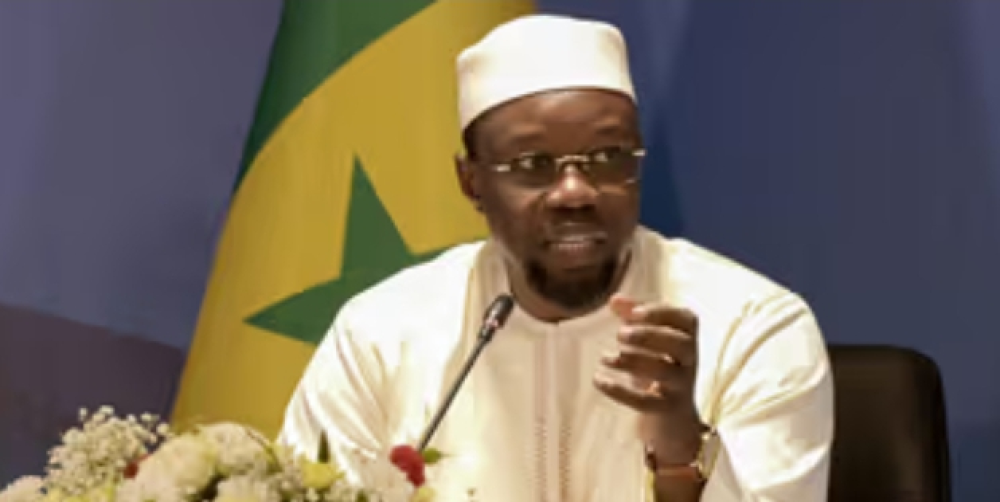

Senegal's Prime Minister, Ousmane Sonko, has launched one of the country’s most aggressive resource sector overhauls to date, declaring the BP-operated Greater Tortue Ahmeyim gas contract unfair.
He revoked 71 mining licences, and froze the accounts of a major Indorama subsidiary until it pays approximately €380 million ($438 million) owed to the state.
The government is auditing and renegotiating resource contracts as part of a broader effort to protect national interests and reduce gas costs for both industries and households.
Sonko's administration, which took office in 2024, has prioritised rebuilding Senegal’s finances, enhancing economic transparency, and ensuring that natural resources deliver tangible benefits to the population.
“The contracts that have been signed are unfair contracts, which we intend to discuss in detail,” Sonko said in a televised statement.
According to Reuters, a government review found that the contract for the Greater Tortue Ahmeyim project—operated by London-based BP—was heavily one-sided and economically unbalanced, prompting calls for renegotiation to better safeguard Senegal’s interests.
Senegal is currently grappling with debt levels that reached 132% of GDP at the end of 2024, according to the International Monetary Fund, which suspended its lending programme after a government audit uncovered previously misreported debt.
In an earlier report, Business Insider Africa noted that the Senegalese administration has also announced plans to close 19 government agencies as part of cost-cutting measures.
Meanwhile, financial tensions have triggered nationwide strikes by teachers and unrest at universities over unpaid student aid.
As part of the ongoing crackdown, Reuters also reported that the government has frozen the accounts of Industries Chimiques du Sénégal (ICS)—controlled by Singapore-based Indorama—until it settles the €380 million debt. In addition, authorities cited overcharging on infrastructure projects by an average of 15%, further underscoring the financial pressures driving the reforms.
Sonko has made clear that the review of contracts will continue throughout his term, with sweeping changes expected across the energy, mining, and infrastructure sectors.
Senegal’s assertive stance reflects a broader trend of resource nationalism across Africa, as governments increasingly scrutinise foreign contracts to ensure greater domestic benefit.
Earlier this year, Niger revoked licences for three mining firms over contract non-compliance, while Ghana, Zambia, and other nations have tightened regulations to capture more value from their natural resources.
Analysts attribute these moves to rising domestic demands for fiscal accountability, a growing awareness of Africa’s mineral wealth, and intensifying competition among global firms for access to critical commodities.
While BP has not commented on the developments, the message to foreign investors is unmistakable: Senegal is asserting its authority over contracts and resources—a clear signal of the continent-wide push for fairer deals and greater economic sovereignty.




Comment on this Post
Comments (0)