
NEWS
PoliticsUS Strategy Links Myanmar Peace Talks to Rare-Earth Access
By Emmanuel Oluwafemi Oniyide | 4th Nov 2026 | 10:53 AM
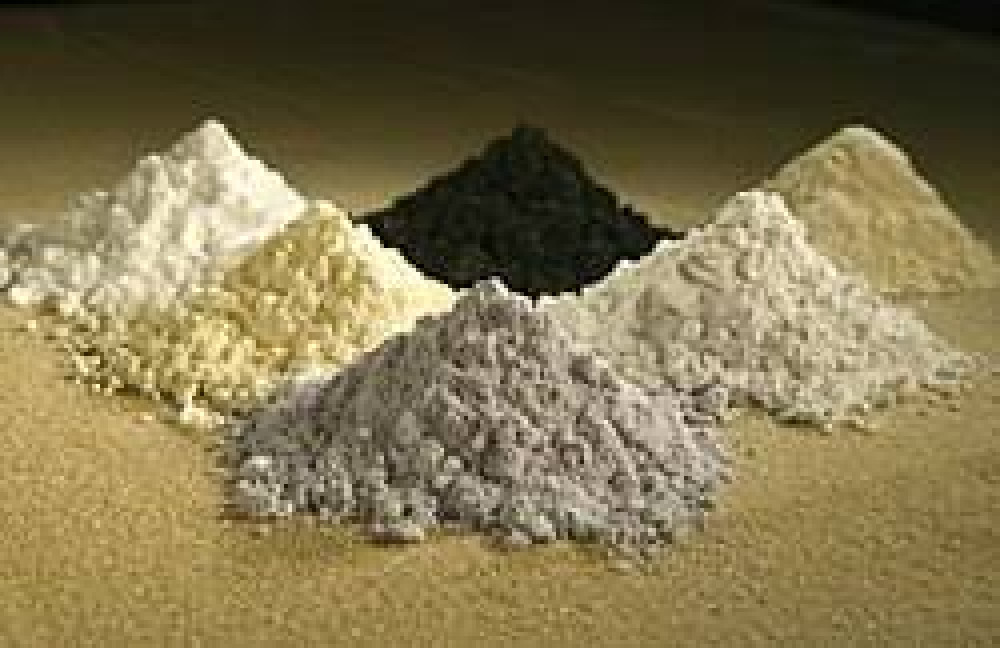

The United States aims to use peace diplomacy in Myanmar as a way to expand its influence and potentially gain access to the country's rare-earth deposits, according to a recently published State Department strategy document.
Reuters reported last month that US officials have quietly held talks with Myanmar's nominally civilian government, run by the former general who led a 2021 coup, triggering a civil war that the United Nations estimates has killed 100,000 people and displaced more than 3.5 million.
The re-engagement, involving the State Department's top intelligence official Michael Vance, marks a departure from years of US policy aimed at isolating the military. The talks have included discussions of how to gain access to rare-earth minerals mainly located in conflict-affected areas and currently exported to China.
The integrated country strategy for the US mission in Myanmar, previously known as Burma, is unusually explicit about how Washington envisions US companies gaining a foothold in the country through involvement in negotiations involving the country's myriad armed groups, which include pro-democracy groups and ethnic insurgents who have in some cases fought the military for decades seeking autonomy.
The US mission to Myanmar will work toward a ceasefire that "presents a pathway to a lasting peace agreement by 2030," the document says. It says the work includes facilitating "at least three multistakeholder forums that produce concrete agreements or policy proposals advancing fiscal federalism and territorial demarcation in Burma, which will create opportunities to access Burma's bountiful rare earth resources and combat scam centers."
The strategy document does not spell out whether the US intends to lift sanctions or address other compliance concerns that deter investment in Myanmar. The State Department did not respond to a request for comment on the document, which says it was approved on August 31 but was posted on the department's website more recently.
The US maintains financial sanctions on coup leader-turned-president Min Aung Hlaing, others in the military-backed government and businesses connected to them, but has long stressed it wants to see legitimate, responsible business in the country. The Trump administration has removed several Myanmar nationals and companies from its sanctions list.
The strategy says the mission will work to increase US exports to reduce Washington's trade deficit with the impoverished nation. To that end, the embassy aims to secure "at least three major commercial or investment deals valued above $5-million each" for US companies, according to the document.
The document also prioritises law enforcement cooperation to combat online scam centres that target Americans and expanded cooperation with authorities to repatriate Myanmar nationals from the US.
Myanmar is a significant source of heavy rare earths, particularly dysprosium and terbium, which are essential for magnets used in electric vehicles, wind turbines, defence systems and electronics. Much of this production is currently exported to China for processing, giving Beijing leverage over a critical segment of the global supply chain.
The US has been seeking to diversify rare earth supply chains away from China, signing minerals agreements with countries including Ukraine, the Democratic Republic of Congo, and several others. The Myanmar strategy document represents one of the most explicit linkages between peace diplomacy and resource access in recent US policy.
The rare earth deposits are largely located in areas controlled by armed groups, particularly in Kachin State in northern Myanmar, where fighting between the military and the Kachin Independence Army has intensified since the 2021 coup. Access to these deposits would require not only peace agreements but also arrangements with the ethnic armed organisations that control the territory.
The strategy's reference to "fiscal federalism and territorial demarcation" suggests that Washington envisions a peace process that would formalise the autonomy of ethnic armed groups, creating a legal and political framework under which US companies could operate.
The document signals a significant shift in US policy toward Myanmar, moving from isolation of the military government to engagement aimed at securing both geopolitical influence and access to critical minerals. The strategy is ambitious — it envisions a peace agreement by 2030, the creation of multistakeholder forums, and commercial deals for US companies — but it faces substantial obstacles, including ongoing conflict, sanctions that remain in place, and the complex web of armed groups that control the areas where rare earths are found.
The strategy also raises questions about whether the US can achieve its commercial and strategic objectives without a broader political settlement that addresses the grievances of Myanmar's ethnic minorities and pro-democracy movement. Without such a settlement, the "pathway to a lasting peace" that the strategy envisions may remain elusive — and the rare earth resources that Washington seeks may remain beyond its reach.





Comment on this Post
Comments (0)