
NEWS
PoliticsZambia Weighs Gold VAT Cut as $1.8 Billion Trade Gap Exposes Informal Market
By Emmanuel Oluwafemi Oniyide | 18th Sep 2026 | 10:11 AM
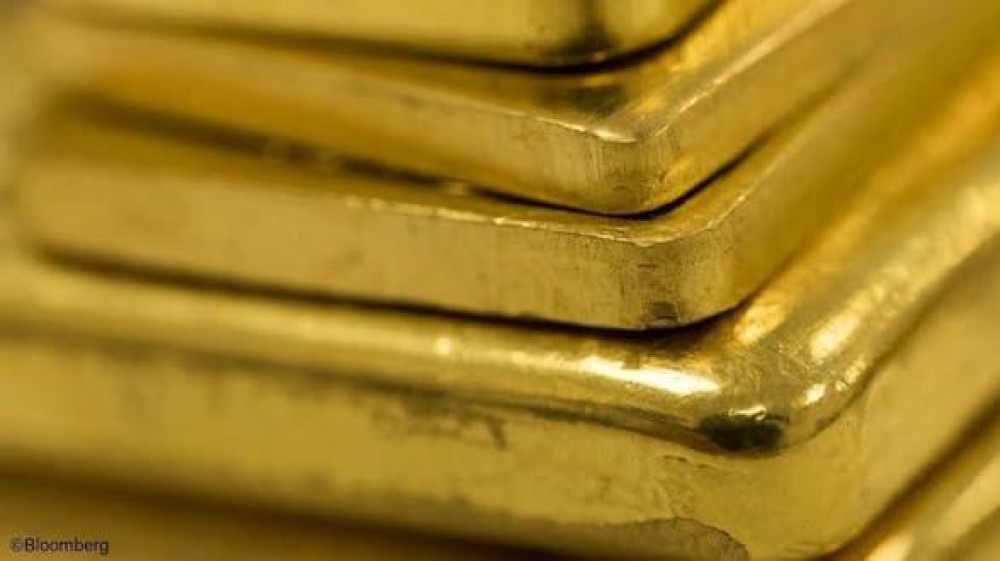

Zambia is weighing a 16% gold VAT cut to pull artisanal miners into the formal market and close a $1.8 billion trade gap.
The Ministry of Mines and Minerals Development confirmed the proposal is under consideration, following a meeting with World Gold Council representatives in Lusaka this week. Permanent Secretary Hapenga Kabeta said the government is examining a reduction to make it easier for artisanal and small-scale miners to sell through formal channels.
Gold classified as a precious metal currently carries a 6% mineral royalty in Zambia. The Zambia Revenue Authority requires mining licence holders and artisanal mining-right holders to pay it, and anyone found holding locally extracted minerals with unpaid royalties can also be held liable.
The numbers behind the push
World Gold Council member Grant Crosse estimated Zambia could be losing between $80 million and $240 million in mineral royalties because much of the sector trades outside formal channels. He called for the 16% VAT to be reduced.
Trade records show the scale of the problem. World Bank WITS data based on UN Comtrade show Zambia reported about $61,800 in unwrought non-monetary gold exports to the United Arab Emirates in 2023. UAE trade data for the same product category recorded nearly $1.79 billion in imports originating from Zambia that year.
That gap does not automatically mean $1.79 billion in Zambian gold was smuggled. Mirror-trade discrepancies can stem from differences in valuation, reporting periods, transit routes and how countries record a product's origin. Still, the size of the divergence complicates Lusaka's effort to track gold leaving the country and collect tax on it.
The stakes are regional. Zambia borders the Democratic Republic of Congo, a major mineral producer where authorities are also trying to formalise artisanal gold trading.
A tax experiment that failed
Zambia has already tested this ground. In its 2025 budget, the government proposed a 15% export duty on gemstones and precious metals. It suspended the measure after industry participants argued exporters would face both the export tax and the 6% royalty, making Zambian minerals uncompetitive abroad.
Finance Minister Situmbeko Musokotwane told parliament in February 2025 that the government had initially expected the export duty to raise about K250 million. Authorities concluded the measure risked discouraging production and investment, which would also cut royalty and corporate income tax collections.
Gold remains small next to copper. US Geological Survey data show gold accounted for roughly 2% of Zambia's goods exports in 2024, worth about $262 million. Copper alone generated about $7.5 billion.
Capital market moves in parallel
The Lusaka Securities Exchange is preparing to launch Zambia's first gold exchange-traded fund before the end of October. LuSE Chief Executive Officer Nicholas Kabaso confirmed the fund is sponsored by Absa Group Ltd. and will list by introduction from the Johannesburg bourse.
The exchange is also preparing five prospective company listings that could raise about $1 billion, according to the bourse.
No date has been set for a decision on the VAT cut. The measure remains under consideration, with no timeline announced for formal legislative action.





Comment on this Post
Comments (0)