
NEWS
PoliticsAustralian Miners Bury 110,000 Tonnes of Tyres a Year as $100 Million Recycling Capacity Sits Idle
By Emmanuel Oluwafemi Oniyide | 2nd Nov 2026 | 10:53 AM
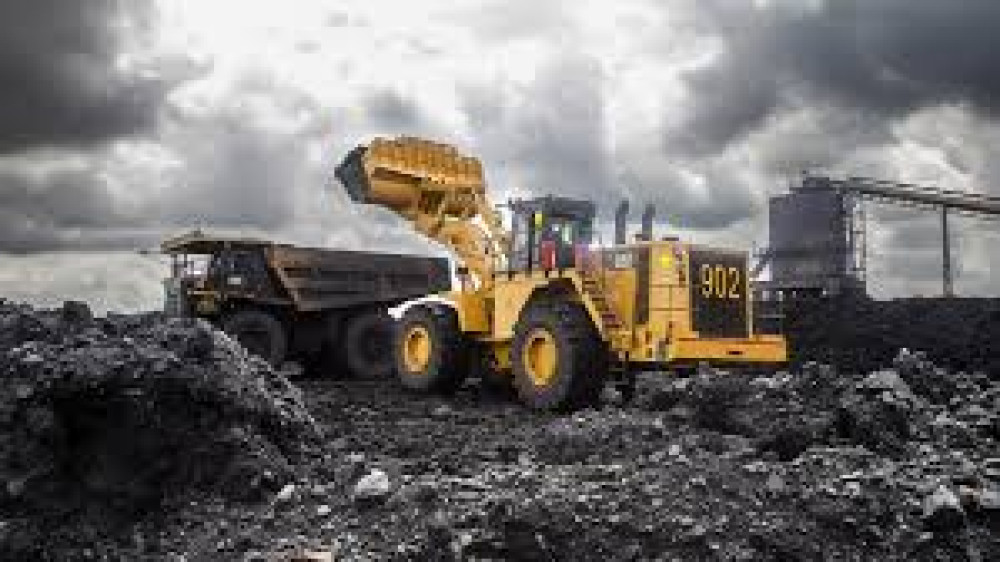

Australian miners are burying more than 110,000 tonnes of end-of-life mining tyres annually, with only about 2% recovered, even as more than $100 million in recycling and processing infrastructure sits underutilised and global demand for recovered rubber continues to grow, according to new analysis by SLR Consulting for the Australian Tyre Recyclers Association (ATRA), published on 2 November 2026.
The findings expose a widening gap between Australia’s investment in circular tyre infrastructure and its regulatory settings, which continue to make on-site burial the cheapest and default disposal option at mine sites in Western Australia, New South Wales and Queensland.
Off-the-road (OTR) tyres contain an estimated 27–47% natural rubber, meaning up to 52,000 tonnes of the material is discarded each year. The tyres also contain recoverable steel and carbon black.
With virgin rubber prices rising by around 30% over the past five years, ATRA estimates that 52,000 tonnes of natural rubber alone could be valued at up to $200 million at current commodity prices. Global natural rubber consumption is forecast to exceed production this year as weather, disease and production constraints hit Southeast Asian plantations.
The rubber buried annually in mining OTR tyres is equivalent to up to 50% of that shortfall.
“At a time when rubber supply is under pressure and global tyre manufacturers are calling for more recovered rubber, we are favouring burial instead of recovering it for productive use like other nations across Europe and South America,” said ATRA Chief Executive Robert Kelman. “We have governments investing taxpayer dollars in recycling facilities while allowing the very materials those facilities were built to process to be buried”.
In three years, $100 million has been invested in Australia’s OTR tyre recycling and processing infrastructure, including $20.7 million in government funding. The investment includes Tyrecycle’s Port Hedland facility in Western Australia’s Pilbara region, which opened in 2025 with capacity to process more than 30,000 tonnes of OTR tyres annually, and CTS Tyre Recycling’s plant in Perth.
Tyrecycle’s Port Hedland site has diverted only around 1,500 tonnes of tyres from burial in its first year, against a capacity of 30,000 tonnes.
“We cannot build a sovereign recycling and remanufacturing capability if burial remains the permitted and cheapest option,” Kelman said.
ATRA’s report, Review of Regulatory and Licence Requirements for the Management of Waste Mining Tyres in Western Australia, New South Wales & Queensland, prepared by Urban EP, found that current frameworks continue to favour disposal over recovery even where viable recycling options exist.
Across the three states, the report found that regulatory frameworks prioritise site-based environmental risk management over resource recovery outcomes; waste hierarchy principles are weakly applied in practice; licence conditions rarely require or incentivise recycling; and regulators have limited ability to mandate alternatives where disposal is deemed acceptable.
Mining is exempt from landfill levies in some jurisdictions and does not face the same recovery requirements as other industries. Tyre Stewardship Australia (TSA) has said the barrier “is not infrastructure or technology, but regulation that continues to permit pit burial even where recycling options are available”.
Other jurisdictions have moved faster. Chile is mandating recovery of large mining tyres with progressive targets reaching 100% by 2030. Denmark has achieved a 100% OTR recovery rate, and Canada has a legislated recovery rate with 87% large OTR recovery.
Michelin has committed to lifting renewable and recycled materials in its tyres to 40% by 2030 and 100% by 2050.
ATRA is calling for a coordinated national approach to OTR tyre recovery, including phasing out routine burial of end-of-life mining tyres where viable recovery pathways exist, introducing mandatory recovery targets and stronger producer responsibility requirements, and establishing consistent reporting.
A parliamentary inquiry into Australia’s tyre industry, which released its 165-page report titled When the Rubber Hits the Road on 16 October 2026, recommended a staged reduction of on-site burial over five years, new recovery targets, and support for tyre collection and recycling in regional and remote areas.
Inquiry chair and Victorian MP Rob Mitchell said end-of-life tyres should be seen as “the beginning of a new opportunity, with valuable materials that can be recovered, recycled, and put back to work in the economy”.
Not all submissions to the inquiry supported a ban. Fortescue told the inquiry that recovery pathways were technically feasible but not commercially viable at scale. Kal Tire Australia estimated that more than 500,000 tonnes of mining tyres were stockpiled, and noted that if a mine fails or goes bankrupt, clean-up costs are borne by the state or territory.
Australia’s OTR tyre problem is not a shortage of technology or capital. The country has built world-class processing capacity, and the recovered rubber, steel and carbon black have ready markets at home and abroad. The obstacle is a regulatory architecture that was designed to manage local environmental risk at mine sites, not to extract value from the materials those sites discard.
With global rubber supply tightening and major manufacturers committing to recycled content, the cost of inaction is rising. The question for governments in Perth, Sydney and Brisbane is whether they will continue to permit the cheapest option, or require the industry to use the infrastructure taxpayers have already helped to fund.





Comment on this Post
Comments (0)