
NEWS
PoliticsCorruption, Oil Theft, Illegal Mining Expose Nigeria’s Governance Deficit Despite Vast Resources, Says Ologun
By Emmanuel Oluwafemi Oniyide | 30th Oct 2026 | 11:21 AM

Lawyer and development advocate, Olajide Ologun has said that corruption, abuse of power, oil theft and illegal mining were stark evidence of Nigeria’s governance and accountability challenges, despite the country’s enormous natural resource endowment.
Ologun made the remarks in an interview with journalists on Thursday, October 29, 2026, in Lagos, where he argued that Nigeria’s failure to translate its resource wealth into broad-based prosperity is rooted in weak institutions and impunity rather than a lack of assets.
“We have oil, gold, lithium, and vast arable land. Yet we are still debating basic service delivery. That is not a resource problem; it is a governance problem,” Ologun said. “Corruption, abuse of power, oil theft and illegal mining are not isolated issues.
They are symptoms of a system that does not hold people accountable.”
Ologun pointed to the scale of crude oil theft in the Niger Delta, where pipeline vandalism and illegal refining have cost the country billions of dollars in lost revenue over the years.
He noted that despite improvements in production following enhanced surveillance, the persistence of theft reflects deeper institutional weaknesses.
“You cannot separate oil theft from the networks that protect it. When people steal crude and move it out without consequences, it tells you something about enforcement and accountability,” he said.
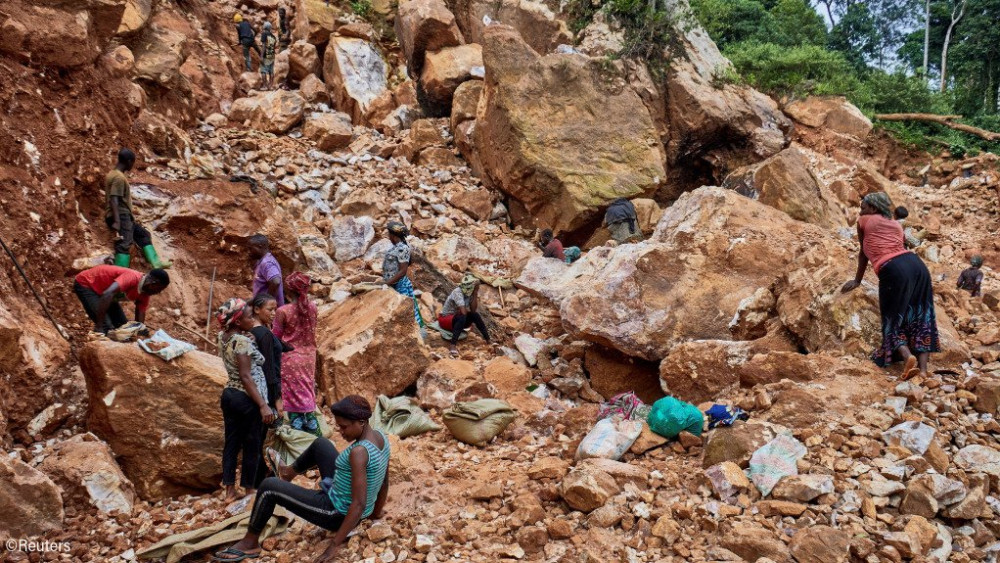
He also cited illegal mining, particularly in the North-West and North-Central regions, where unregulated operations have been linked to banditry, environmental degradation and loss of government revenue.
He described the recent deaths of suspected illegal miners in custody as a tragic reminder of the human cost of poor regulation.
“The mining sector is a clear example. We have a policy that says value addition, but illegal miners are still operating in large numbers. The enforcement is weak, and the communities are left to bear the consequences,” Ologun said.
Ologun argued that abuse of power by public officials has undermined public trust and deterred investment. He called for stronger institutions, including a more independent judiciary, a proactive legislature and a free press, to check excesses and ensure accountability.
“The problem is not that we lack laws. The problem is that the laws are not enforced against the powerful. Until we change that, the resources will continue to benefit a few while the majority suffer,” he said.
Ologun urged the federal and state governments to prioritise transparency in the management of natural resources, including publishing contracts and revenue flows, and to strengthen anti-corruption agencies. He also called on civil society and the media to sustain pressure for reform.
“Nigeria’s future depends on whether we can build a system where resources are managed for the many, not the few. That is the governance challenge of our time,” he said.




Comment on this Post
Comments (0)