
NEWS
PoliticsDangote: Refinery IPO Aims to “Democratise Wealth Creation,” Not Just Raise Capital
By Emmanuel Oluwafemi Oniyide | 1st Oct 2026 | 10:20 AM
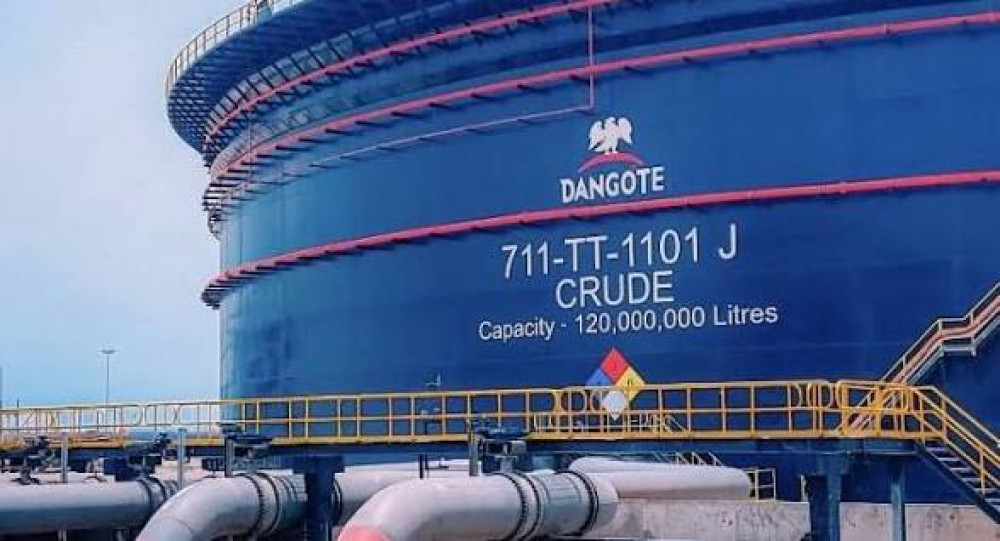

The purpose of the Dangote Refinery IPO goes beyond raising capital, according to Alhaji Aliko Dangote, who said the offering is about democratising access to wealth creation and ensuring that the prosperity generated by Africa’s businesses is shared more broadly with the people of Africa.
Speaking during a high-level investor engagement at the Nairobi Securities Exchange (NSE), Dangote said the planned listing is part of a wider strategy to spread ownership of his businesses among the public, allowing investors to earn dividends and benefit from potential increases in the value of their shares.
“It’s not only about the dividend. It’s actually about the valuation of their shares,” he said.
He emphasised that the group ultimately intends for all its companies to be publicly owned, pointing to major US-listed companies where founders hold relatively small stakes while millions of investors own shares. “Our job is to de-risk Africa, encourage more investors, create jobs and create more opportunities. That is how we will transform Africa,” Dangote said.
Kenyan investors will be able to access the Initial Public Offering of Dangote Petroleum Refinery & Petrochemicals FZE (DPRP) through an inward, unsponsored Global Depositary Receipt (GDR) listing on the NSE, subject to regulatory approval.
A GDR is a tradable security representing shares in a company listed in another market. Under the proposed structure, the underlying Dangote Petroleum Refinery shares would remain in Nigeria while the corresponding GDRs trade on the NSE in Kenya. Renaissance Capital is developing the GDR structure as lead transaction adviser, sponsoring broker and GDR issuer, with Stanbic Bank as custodian. The Kenyan listing is targeted for early December 2026.
Kenyan investors would apply through local stockbrokers and investment banks. Renaissance Capital would aggregate the applications and submit them through its Nigerian operation, with allotted shares held in custody and corresponding GDRs issued for trading in Nairobi. The structure would allow investors to trade in Kenyan shillings through their normal brokers. Dividends, bonus shares, rights issues and other benefits attached to the underlying Nigerian shares would pass through to GDR holders.
Frank Mwiti, CEO of the NSE, said the structure is intended to make cross-border investment more accessible to Kenyan institutional and retail investors through existing local-market infrastructure. David Kinyua, Chairman of Renaissance Capital, said the programme could attract up to $300 million from Kenyan investors and, subject to regulatory approval and final terms, could become Africa’s first unsponsored inward GDR programme of its kind.
Dangote also made a separate commitment on the future ownership of the group’s planned East African refinery in Lamu. “I’m actually making a commitment here today — the East African refinery will be listed at the Nairobi Stock Exchange,” he said. The planned 700,000-barrel-per-day facility, estimated to cost between $15 billion and $17 billion, is designed to serve Kenya and other East African markets, with commissioning targeted around 2030.
Dangote Petroleum Refinery Chief Executive David Bird clarified that the current IPO does not include the Lamu refinery, which remains at the group holding-company level and is outside the entity being listed in Nigeria.
The Nigerian IPO opened on September 14, 2026, and is scheduled to close on October 13, 2026. The base offer comprises 4.1 billion ordinary shares at ₦525 per share, with a minimum subscription of 10 shares (₦5,250), targeting gross proceeds of about ₦2.15 trillion (approximately $1.5 billion) if fully subscribed. Dangote has said the offer is designed to build one of Africa’s largest shareholder communities, with a target of attracting at least 10 million investors from Nigeria and across the continent.
The proposed GDR programme would complement the Nigerian IPO rather than create a separate listing of the underlying Dangote Refinery shares, and remains subject to Capital Markets Authority and NSE approvals and final transaction terms.




Comment on this Post
Comments (0)