
NEWS
PoliticsSouth Africa Invests $1.9 Million to Boost Local EV Battery Supply
By Emmanuel oniyide | 26th Mar 2026 | 11:04 AM
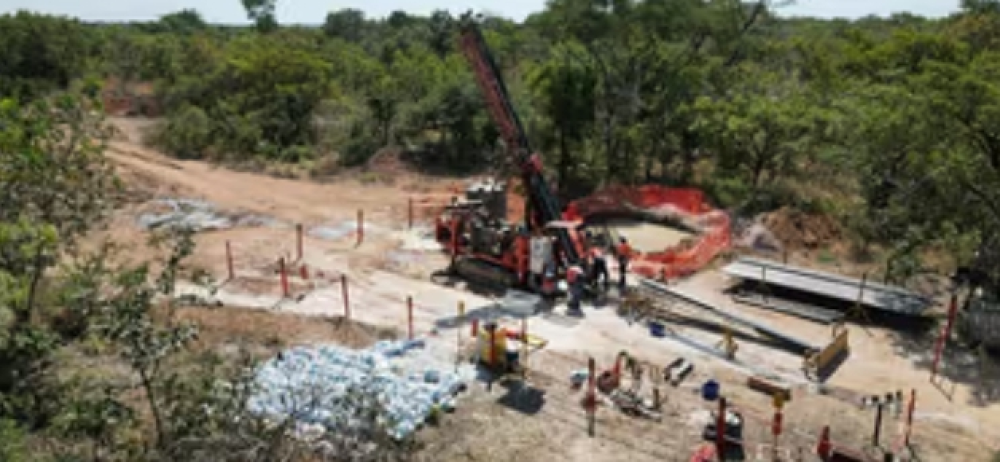

South Africa is making a strategic push into the electric vehicle (EV) battery production and supply chain, backing Toronto-listed Canadian company Giyani Metals with an additional R29.9-million (~$1.9-million).
The funds, from the State-owned Industrial Development Corporation (IDC), aim to advance Giyani Metals' high-purity manganese sulphate monohydrate (HPMSM) demonstration plant in Johannesburg. HPMSM is a refined precursor material used in the production of cathode powders for lithium-ion batteries deployed in EVs and energy storage systems, making it a cornerstone of the growing green technology sector.
"We would like to thank the IDC for being such a supportive partner," said Giyani interim executive chairperson Nigel Robinson told Mining Weekly.
The extra funding increases the total IDC-backed loan facility to R329.9-million and enables the company to incorporate operational insights from its demonstration plant into a definitive feasibility study (DFS), now scheduled for completion in the second quarter of 2026. These insights will underpin the scaling of Giyani's operations and its eventual commercial manganese production.
South Africa's support for Giyani Metals reflects a broader national strategy to diversify into the EV production and battery materials sector. By financing projects that produce high-purity, low-carbon battery materials, South Africa aims to position itself as a hub for the continent's EV supply chain, reducing dependence on imports and creating local expertise in a market projected to grow rapidly across Africa.
According to Mining Weekly, the demonstration plant has already enabled Giyani to validate reagent consumption, crystalliser operation, and large-scale process management, data that will inform future projects, including the planned commercial-scale HPMSM plant at the K.Hill project in Botswana. Once operational, this plant will supply both regional and international battery manufacturers, strengthening Africa's role in the global energy transition.
IDC-backed initiatives like this not only support job creation and technological capacity locally but also enhance South Africa's influence in a market where sustainable, low-carbon battery materials are increasingly critical. For Africa's EV market, such projects signal a move toward an integrated continental supply chain, from raw materials to battery-grade products, offering the continent a competitive stake in the global EV revolution.





Comment on this Post
Comments (0)