
NEWS
PoliticsAward-Winning Documentary Shows How Kenyans Are Gardening 'The Impossible'
By Emmanuel Oluwafemi Oniyide | 6th Aug 2026 | 9:54 AM
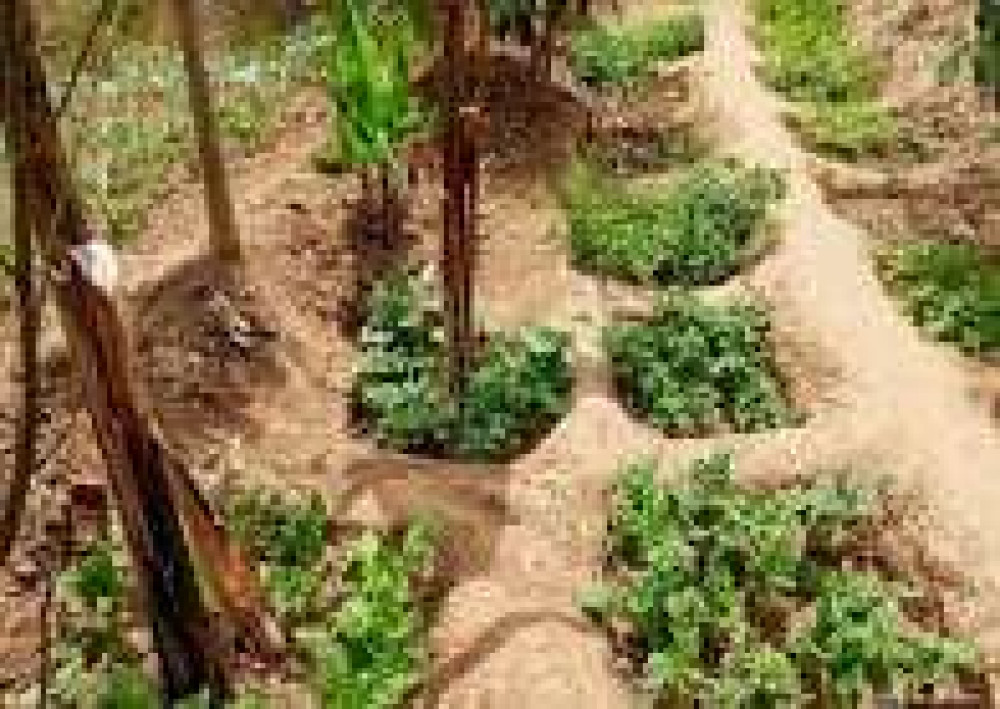

In the semi-arid region of Laikipia in northern Kenya, a quiet agricultural transformation is unfolding. Faced with increasingly severe droughts, herders who once viewed traditional farming as impossible are now building thriving vegetable gardens.
Their success is made possible by an innovative water harvesting technique called zai pits.
Zai pits are shallow, bowl-shaped holes dug into hard, sun-baked soil. They are filled with manure and crop residues, which attract termites. These termites burrow tunnels that allow water to penetrate the earth, turning it into a sponge that can retain moisture for long periods. Farmers plant into these pits, benefiting from the stored water and manure nutrients.
The pits have become particularly important as climate change has made rainfall patterns unpredictable in the area. They also offer a sustainable alternative to over-reliance on humanitarian aid, as many herders have had to sell their livestock due to persistent drought.
Now, a new short documentary film, The Pits: Farming Against the Odds, tells the story of this agricultural transformation. It was produced in collaboration with me and my colleagues at the University of Nairobi, in partnership with the Centre for Research on Multinational Corporations (SOMO).
The film showcases the efforts of a Dutch-Kenya initiative, the Laikipia Learning Platform, launched in 2012. The platform brings together various organisations to address food insecurity in the region.
Through it, many local farmer groups have been trained and supported in adopting zai pits.
We wanted to document this and share it with other communities across Africa who face similar challenges. This is important because water scarcity is a problem across the continent. The film shows how knowledge and partnerships can transform lives.
For this story, we used participatory video methods. We recruited and trained local enumerators to do the filming and interviewing. This was essential. Because the local community had already built trust with their neighbours and friends, the interviews were more candid and intimate than if outsiders had been behind the camera.
What we captured is more than a story about farming techniques. It is about how communities are taking charge of their own futures through learning and innovation.
In Laikipia, families who once struggled to find reliable sources of food are now harvesting vegetables throughout the year. Some are using the produce to feed their families. Others are selling surplus in local markets to generate income.
The documentary follows the journey of farmers such as Peter Lamu and Joseph Loree, documenting their success with the zai pits, their challenges, and their hopes for the future. It also highlights how women and youth are taking up leadership in regenerative agriculture.
Working with the local community in the development of the film was crucial. They identified the key actors and locations and made sure the story reflected their own realities.
The result is a film that belongs to the community. It serves as both a celebration and a learning tool for other dryland communities.
As one farmer puts it, "The advice we have been receiving from the Laikipia Learning Platform has made us understand that despite the dry area, we can still harvest."





Comment on this Post
Comments (0)