
NEWS
PoliticsChina Aluminium Output Hits Record High as Capacity Cap Nears
By Emmanuel Oluwafemi Oniyide | 16th Sep 2026 | 2:26 PM
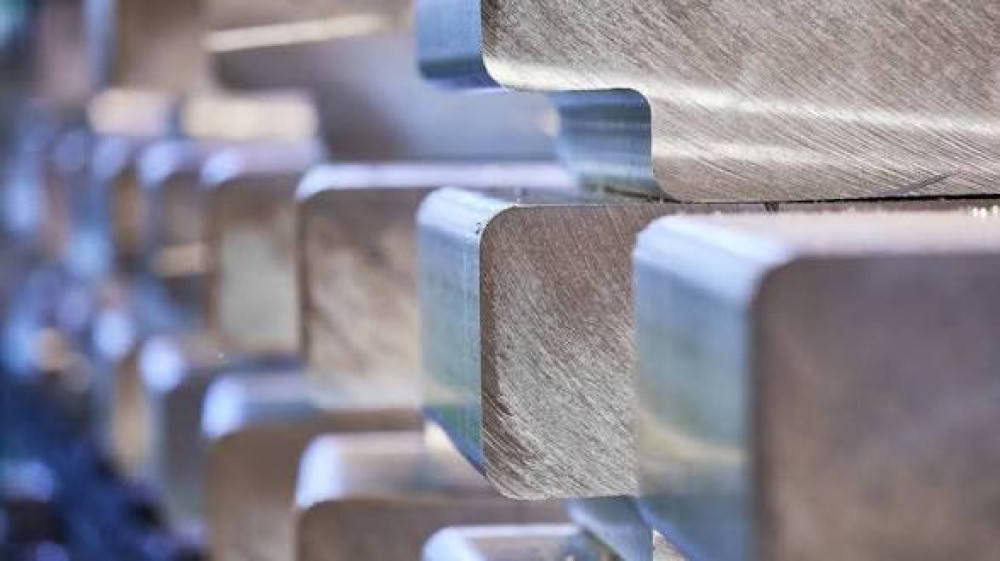

China's aluminium production reached a record high in August as strong margins encouraged smelters to maximise output despite the country's long-standing capacity ceiling.
Primary aluminium production rose 4.7% year on year to 3.98-million tonnes, according to National Bureau of Statistics data released on September 15, 2026.
August output was slightly higher than the just-under 3.9-million tonnes recorded in July and close to the previous monthly record of 3.979-million tonnes set in June.
China produced 31.12-million tonnes of primary aluminium during the first eight months of 2026, an increase of 3.9% from the same period a year earlier.
At that rate, annual production would reach about 46.7-million tonnes, exceeding China's 45-million-tonne capacity ceiling. The country has maintained strict controls on aluminium smelting capacity since 2017, Reuters reported.
China produced 45.02-million tonnes of primary aluminium in 2025, up 2.4% from 2024.
Higher aluminium prices and strong smelter margins have encouraged producers to operate at high levels. Benchmark three-month aluminium prices gained nearly 8% during 2026 and increased 1.82% in August, Reuters reported.
The rise in prices followed supply disruptions in the Middle East linked to the war, adding to the incentives for Chinese smelters to maintain production.
Production of 10 nonferrous metals, including aluminium, copper, lead, zinc and nickel, also increased in August. Combined output rose 1.6% year on year to 7.1-million tonnes.
For January through August, production of the 10 metals reached 55.58-million tonnes, 2.9% higher than during the same period in 2025.





Comment on this Post
Comments (0)