
NEWS
PoliticsEmulate Zimbabwe Lithium Ban Model, Process Minerals Locally, UN, ECA Urges SADC
By Emmanuel Oluwafemi Oniyide | 18th Aug 2026 | 10:23 AM
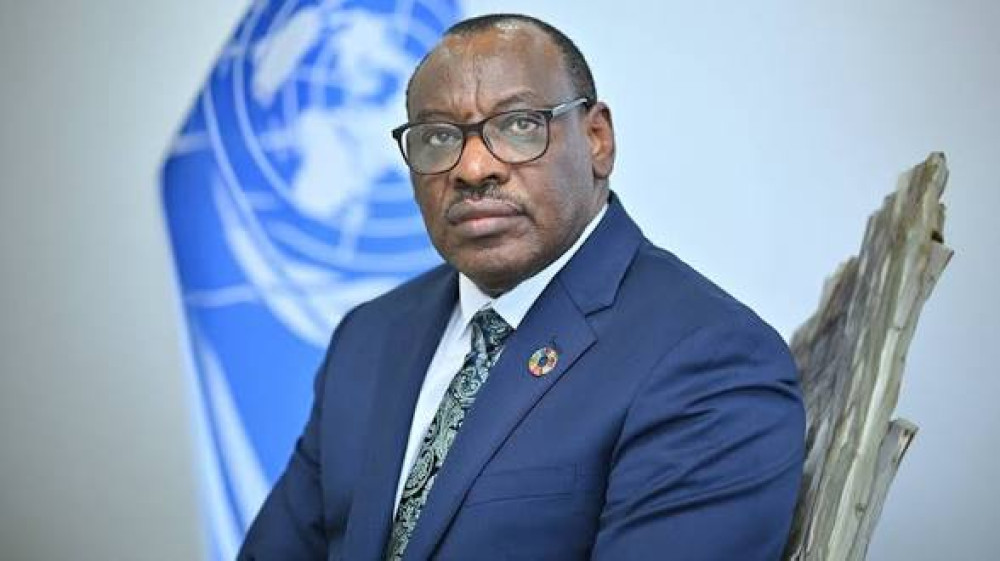

A top UN official has called on Southern African leaders meeting in Durban to stop exporting raw minerals and instead process them locally, warning that failure to act risks repeating "an old narrative of exporting raw materials while importing prosperity".
The Continent holds about 30% of global reserves of critical energy transition minerals – including cobalt, copper, graphite, lithium, manganese, nickel, platinum group metals and rare earth elements. Africa produces more than 77% of the world's cobalt, 65% of its manganese and 83% of its platinum group metals.
Yet the continent accounts for just 1% of global lithium output – the smallest share among all critical minerals. In the SADC region, the Democratic Republic of Congo dominates cobalt, Zimbabwe holds lithium, South Africa has platinum and manganese, and Zambia possesses copper.
The sector contributes about 10% of SADC's GDP, 25% of exports and 20% of government revenues – but accounts for only 7% of direct employment.
"We've had very constructive engagements with CMRG, we've got an agreement in place with them as of the first of April, and that does impact our products that we sell to CMRG member mills," Anglo American's global head of sales and trading, Ebrahim Dadoo, said during a July 28 earnings call.
“Unless the continent changes course, this new boom risks repeating an old narrative of exporting raw materials while importing prosperity, with countries and mining communities left with degraded landscapes, limited services, a few lasting economic opportunities and very little to show from the harnessing of their mineral resource wealth,” UN Economic Commission for Africa executive secretary Claver Gatete said.
Gatete pointed to Zimbabwe's ban on unprocessed lithium exports as a policy model for the region. He also cited a 2021 BloombergNEF study commissioned by the ECA that found building a 10,000-tonne battery precursor plant in the DRC would cost about $39 million – roughly three times less than in the US – while producing nearly 30% lower emissions than supply chains routed through China.
SADC leaders are gathering in Durban on August 17 for the 46th Ordinary Summit of Heads of State and Government, hosted by South African President Cyril Ramaphosa under the theme “Resilient, Sustainable and Inclusive Industrialisation through Infrastructure Development”.
“The SADC region is a testing ground for Africa's strategic resolve to reshape its future through deliberate choices, avoiding dependency and driving transformation,” Gatete said.





Comment on this Post
Comments (0)