
NEWS
PoliticsIndia Looks to Africa for Urea as Hormuz Crisis Disrupts Gulf Supplies
By Emmanuel Oluwafemi Oniyide | 13th Aug 2026 | 10:16 AM
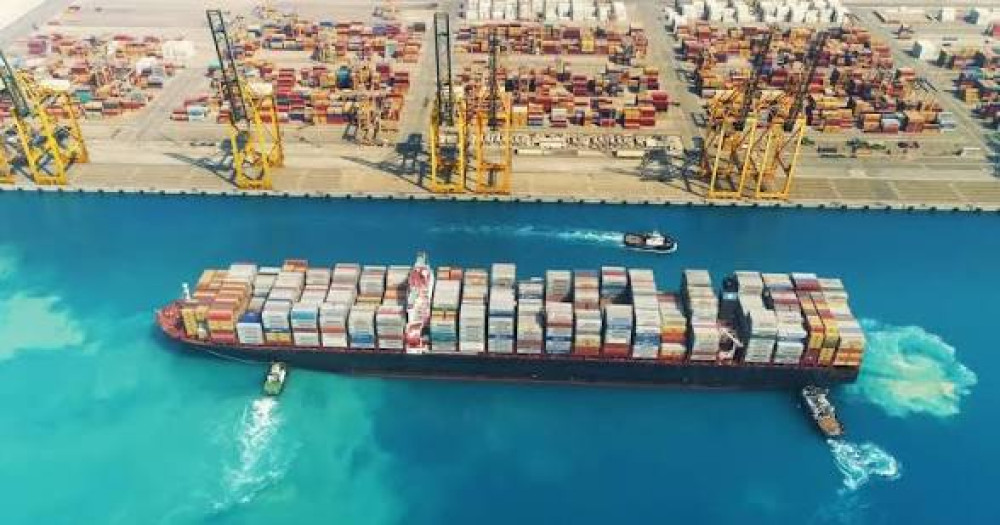

India Looks to Africa for Urea as Hormuz Crisis Disrupts Gulf Supplies
India imported 1.1 million tonnes of urea from Egypt, Algeria and Nigeria in the first quarter of this financial year, a dramatic pivot away from traditional Gulf suppliers after disruptions at the Strait of Hormuz choked one of the world's busiest shipping routes.
The three African nations, together with Georgia, supplied 52% of India's 2.5 million tonnes of urea imports between April and June — up from zero in the same period last year, according to commerce ministry data cited by Mint.
Egypt led with 609,000 tonnes, followed by Algeria at 245,000 tonnes and Nigeria at 244,000 tonnes. Georgia shipped another 211,000 tonnes.
The shift marks one of the most significant diversifications in India's fertiliser procurement in recent years. India has historically sourced more than 40% of its urea and phosphatic fertiliser imports from the Gulf, leaving it acutely vulnerable to any closure of the Strait of Hormuz.
The strait was effectively shut in late February 2026 following US and Israeli strikes on Iran, stranding at least 16 fertiliser vessels — including eight urea carriers — bound for India.
"Our priority was to ensure that farmers were not impacted by the West Asia crisis," a government official told Mint on condition of anonymity. "We therefore made urea available to them wherever possible to ensure uninterrupted supplies."
The diversification has come at a steep cost. Urea prices nearly doubled from about $510 per tonne in early 2026 to roughly $950 per tonne by April, according to the New Indian Express.
The fertiliser ministry has proposed increasing government subsidies to ₹3.54 trillion ($37.1 billion) for the current fiscal year, up from the ₹1.77 trillion ($18.6 billion) initially budgeted.
A 45-kilogram bag of fertiliser now costs ₹4,300 ($45), up from ₹2,900 ($30).
The latest purchases build on a broader trend. During the 2025-26 financial year, Nigeria supplied 447,090 tonnes of urea to India, while Algeria exported 217,059 tonnes and Egypt shipped 194,830 tonnes. Together with Georgia, the four countries accounted for 8.8% of India's total urea imports of 11.2 million tonnes.
India operates 33 urea plants with a combined capacity of 26.9 million tonnes but still imports about 20% of its annual requirements.
The government has lowered its overall fertiliser demand forecast for the current kharif season to 38.39 million tonnes from 39.05 million tonnes, following a downgrade in the monsoon forecast.
Urea demand was trimmed by roughly 400,000 tonnes to 19 million tonnes.
"The Department of Agriculture and Farmers Welfare, in consultation with states, has reassessed the fertiliser requirement for the kharif season, lowering demand estimates for key nutrients due to evolving agricultural conditions," said Aparna S. Sharma, additional secretary of the department of fertilisers.
Despite the reduction, the government has maintained that supplies are adequate, with current stocks at 19.98 million tonnes — more than 52% of the revised seasonal requirement.





Comment on this Post
Comments (0)