
NEWS
PoliticsKenya PlansRaw Mineral Exports Ban, Build Three Gold Refineries
By Emmanuel Oluwafemi Oniyide | 16th Sep 2026 | 2:23 PM
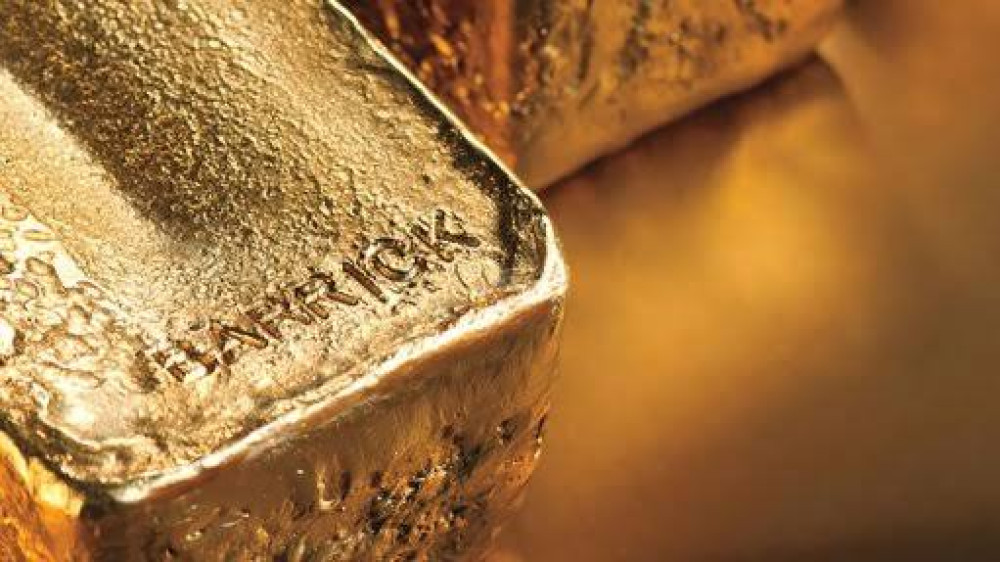

Kenya will ban exports of unprocessed minerals and build at least three gold refineries, President William Ruto announced Tuesday.
The ban applies to all minerals mined in Kenya.
Exports must move through approved government channels.
The Central Bank of Kenya will act as a priority buyer under a new domestic gold-purchasing programme.
The refineries will be built in Kakamega, a mining region, and in Nairobi, the capital, according to Bloomberg.
Kenya is East Africa’s largest economy. It is joining Ghana and Zimbabwe in tightening control over raw mineral exports.
Ghana established a gold board in 2025 as the sole authorised buyer from small-scale miners. That policy helped increase Ghana’s international reserves by $3.9 billion by the end of 2025.
Zimbabwe has made a central bank subsidiary the sole buyer of gold. It recently restricted some mineral exports to encourage local refining.
Kenya’s gold trade remains largely informal. The State Department for Mining estimates the country produces about 300 kilograms of gold each month, generating roughly 36 billion shillings in unregulated transactions annually.
More than 90% of Kenya’s gold production comes from artisanal and small-scale miners, limiting the government’s ability to collect royalties. Officials estimate Kenya loses about 1.2 billion shillings in potential annual royalties.
Ruto said the policy would extend beyond gold to all minerals mined in Kenya. “We’re going to make it illegal for anybody to export gold from Kenya if it’s not processed and through approved government channels,” the president said.
Earlier this month, the government withdrew a century-old soda-ash concession from a Tata Group unit after a dispute.





Comment on this Post
Comments (0)