
NEWS
PoliticsUS, China Discuss Tariff Cuts as African Countries Pursue Different Trade Strategies
By Emmanuel Oluwafemi Oniyide | 16th Sep 2026 | 2:20 PM
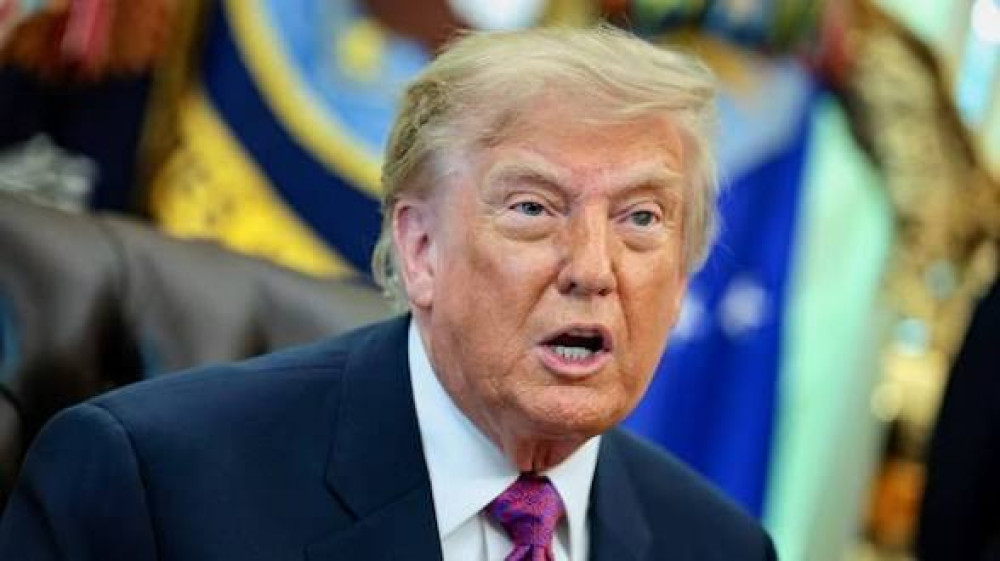

The United States and China are negotiating tariff reductions on key goods as Washington and Beijing seek to ease trade tensions ahead of a planned summit between Presidents Donald Trump and Xi Jinping.
The discussions cover potential reductions on US energy and agricultural exports and lower duties on Chinese manufacturing inputs, Business Insider Africa reported on September 16, 2026.
The proposed measures form part of an earlier arrangement intended to provide reciprocal tariff relief on about $30-billion in trade.
Bloomberg News described the talks as a possible indication that the two countries could extend their one-year trade truce at the leaders' summit.
China has also made progress towards its commitment to purchase American soybeans, reportedly passing the halfway mark of the agreed target.
The US approach towards African economies has been different.
Washington implemented a 12.5% tariff on imports from seven African countries towards the end of July. A United States Trade Representative fact sheet cited by Business Insider Africa said the decision followed consultations with more than 45 economies, more than 2,100 public comments and testimony from more than 100 witnesses.
Several categories, including vehicles, steel, aluminium, critical minerals and some agricultural products, are subject to separate treatment or exemptions.
China, meanwhile, maintains a zero-tariff policy with African countries except Eswatini, which Beijing excludes because of its diplomatic relationship with Taiwan, according to Business Insider Africa.
African governments have largely pursued negotiations rather than retaliatory tariffs in responding to US trade measures.
South Africa, Nigeria and Zimbabwe are among the countries seeking dialogue with Washington. Lesotho has explored increased purchases of US wheat and potential US investment in its power-generation sector, while Zimbabwe suspended duties on US goods to encourage greater American imports and bilateral commercial ties.
Morocco has responded by expanding trade with China, according to the report, while Egypt has widened access for US passenger vehicles by adopting American safety standards.
The different approaches reflect how African governments are seeking to manage tariff pressures while maintaining access to major international markets.
For the US and China, however, the immediate focus remains on whether negotiations can produce reciprocal tariff reductions before Trump and Xi meet.





Comment on this Post
Comments (0)