
NEWS
PoliticsLithium Universe Recovers Over 99% of Gallium from E-Waste in Lab Breakthrough
By Emmanuel Oluwafemi Oniyide | 28th Aug 2026 | 1:01 PM
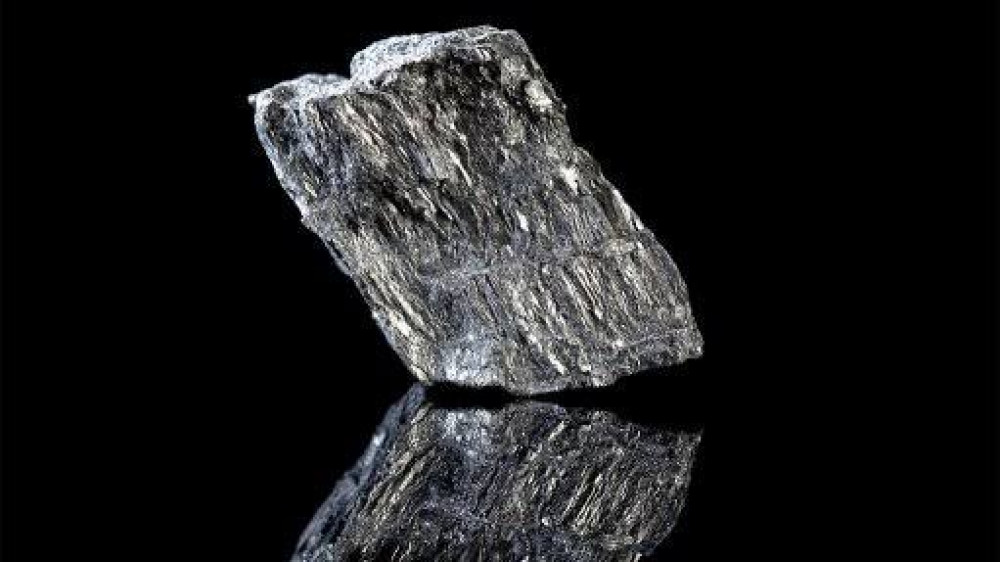

ASX-listed Lithium Universe (LU7) has successfully extracted gallium and platinum from electronic waste using licensed diamide technology, achieving greater than 99% recovery rates for gallium and near-complete platinum recovery under laboratory conditions.
The testwork, conducted in partnership with the University of Edinburgh, demonstrated that the tertiary diamide ligand technology can selectively recover both metals from e-waste—significantly expanding its potential beyond the company's original focus on gold and copper recovery.
Under stronger acidic conditions, the diamide achieved greater than 99% precipitation of gallium. When platinum was present as Pt(IV), the diamide captured it with complete uptake achieved under selected laboratory conditions.
The process begins by dissolving metals from e-waste into a hydrochloric acid solution, then uses small, reusable organic ligands to target metals in sequence.
“Under one set of conditions, it strongly prefers gold. Under stronger acidic conditions, our research shows it can also precipitate gallium and platinum,” Lithium Universe CEO Iggy Tan said.
Tan added that the university's research has demonstrated the underlying diamide chemistry is tunable, and that by altering conditions such as hydrochloric acid concentration, ligand dosage and the chemical form of the metals, the process can also precipitate other valuable metals.
Gallium recovery is particularly significant given the metal's critical role in modern electronics. It is used in semiconductors, LEDs, high-frequency communications, power electronics and defence applications. Individual electronic chips typically contain between 0.9 and 1.3 mg of gallium, while some e-waste fractions can contain up to 35% gallium. Mobile phone circuit boards contain about 14 grams per tonne of platinum.
The global gallium market is estimated to be worth about $1 billion annually, with gallium currently valued at around $237/kg. Platinum prices have also surged, trading around $2,000 per ounce in 2026—roughly double the price from a year earlier.
Both gallium and platinum appear on the United States 2025 Critical Minerals List.
Lithium Universe plans to locate downstream refining and processing operations in Bécancour, Québec, Canada. The company is also advancing lithium carbonate refineries in Québec and Texas, alongside e-waste recycling technologies for gold, silver and copper recovery.
Tan noted that the results provide an encouraging foundation for expanding the diamide technology into a broader critical metals recovery platform, although further laboratory development, scale-up and commercial evaluation will be required. The work remains at the laboratory stage, and further testwork and process development would be needed to determine whether this chemistry can ultimately form part of a commercially viable e-waste recovery process.





Comment on this Post
Comments (0)