NEWS
PoliticsNasarawa Lithium Boom: Artisanal Miners Face Unsafe Pits, Child Labour Concerns
By Emmanuel Oluwafemi Oniyide | 21st Oct 2026 | 10:04 AM
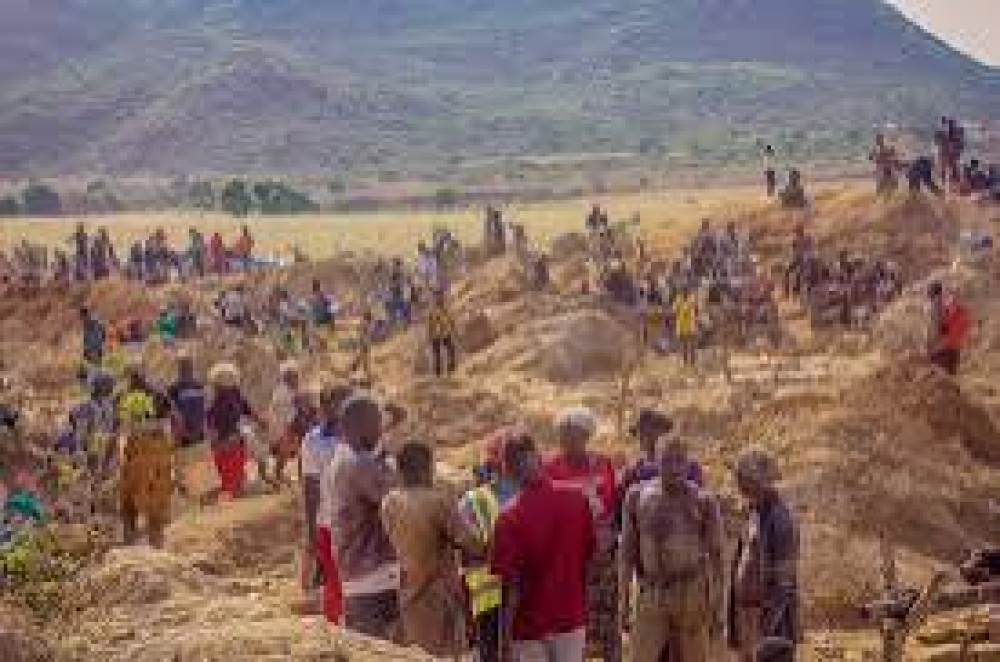

Nasarawa State sits at the heart of Nigeria’s lithium boom, where artisanal miners hope to benefit from the global clean energy race. But as investment grows, miners say they face unsafe working conditions and child labour concerns, while communities are still waiting to see the benefits, according to an Al Jazeera report published on October 16, 2026.
The video report, produced in collaboration with journalist Light Oriye Tamunotonye, captures the perspectives of miners who describe dangerous working conditions and the uncertainty of whether the lithium rush will deliver tangible improvements to their lives.
The dangers are well documented. Many artisanal mining sites are shallow, unstable excavations with no engineering support. Collapses, injuries and occasional fatalities have been reported in similar environments, where workers operate without protective gear or oversight.
Miners are exposed to silica-rich dust during excavation, crushing and processing — dust that can damage lung tissue over time when inhaled repeatedly without protection.
Lithium-bearing rocks in Nigeria’s pegmatite formations are often associated with other heavy metals, including lead, arsenic and cadmium, which can seep into soil and groundwater when crushed and washed in open environments.
In parts of Nasarawa State, residents have raised concerns about boreholes turning cloudy or discoloured after rainfall, with some households reporting spikes in stomach illness and skin irritation after using local water sources close to mining clusters.
The report also highlights child labour concerns that have drawn the attention of the state government. In September 2026, the Nasarawa State Government banned children below the age of 18 from all mining activities across the state’s 13 local government areas, citing child labour and safety concerns.
Commissioner for Environment, Solid Minerals and Mining Margaret Elayo said the ministry had received information that mining sites in Wamba, Nasarawa-Eggon and Kokona local government areas were exposing children to health hazards and denying them access to education.
“Henceforth, no child below the age of 18 is allowed to be found at any mining site in Nasarawa State, either as a labourer, errand runner or food vendor,” she said, warning that violators would be prosecuted under the Child Rights Law and mining regulations.
A 2024 Associated Press investigation had documented children younger than 10 sorting lithium-rich rock with crude tools in Pasali, a community in Nasarawa. A team of six children could process as many as ten 25-kilogram bags in a day, typically sharing 4,000 naira (then about $2.42) after working from morning until evening. None of the children observed was attending school at the time, and a local schoolmaster told AP that attendance had fallen sharply as mining drew children away from classrooms.
The state government established a special monitoring and enforcement team to curb illegal mining and child exploitation, and said it was working with the Federal Ministry of Solid Minerals Development to formalise artisanal miners into cooperatives for better regulation and safety.
While investment in Nasarawa’s lithium sector has grown — including the commissioning in July 2026 of a processing plant with a capacity of 6,000 metric tonnes per day — the Al Jazeera report notes that communities are still waiting to see the benefits materialise.
The state government has disclosed some financial flows. Governor Abdullahi Sule said the state received a $1.5 million signature bonus, with one-third (about ₦800 million) released to the Endo community for development projects, and a further ₦2.6 billion in September 2026 representing payment for the first year of a supplementary mining agreement.
But traditional rulers and community stakeholders have used government meetings to demand stronger safeguards for the environment and host communities. The Emir of Nasarawa, HRH Ibrahim Usman Jibril, called for all mining operators, including the state-owned mining company, to undertake proper environmental impact assessments to ensure mining does not compromise community wellbeing.
The concerns in Nasarawa reflect a broader paradox: the minerals powering the global clean energy transition are often extracted under conditions that carry significant environmental, occupational and social risks. Nigeria has seen what happens when the rush to extract resources moves faster than regulation, monitoring and enforcement — mining has been associated with land degradation, unsafe pits, water contamination, dust exposure and child labour across different parts of the country.
For the miners standing beside excavation sites, the environmental and policy debates can seem distant. Their immediate concern is earning enough to support their families. But as the Al Jazeera report makes clear, the question of whether Nigeria’s lithium boom delivers prosperity or perpetuates exploitation will depend on whether the sector’s growth is matched by enforceable safety standards, credible community benefits and an end to the labour practices that put children in harm’s way.





Comment on this Post
Comments (0)