
NEWS
PoliticsPortugal, Morocco Revive Electricity Link as Europe Turns to Africa to Stabilise Power Grid
By Emmanuel Oluwafemi Oniyide | 21st Jul 2026 | 6:52 AM
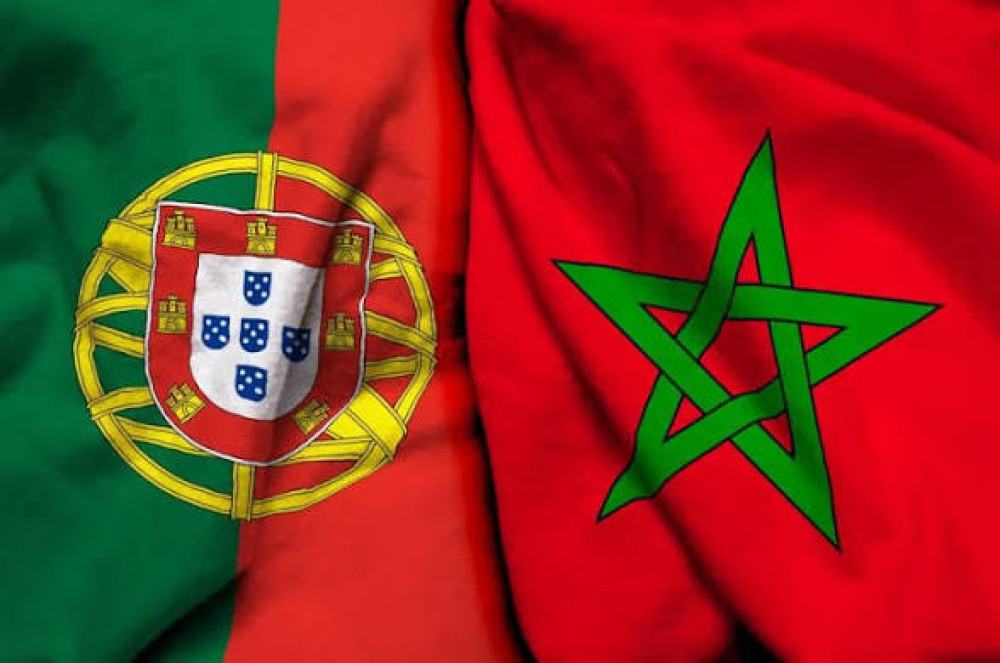

Europe is looking south to strengthen its electricity network, with Portugal and Morocco reviving plans for a new cross-border power interconnector following the blackout that exposed vulnerabilities in the Iberian Peninsula's energy system last year.
The two countries said they will jointly ask the European Commission to recognise the proposed electricity link as an Important Project of Common European Interest (IPCEI), a designation that could unlock European Union funding while helping attract private investment.
If approved, the project would deepen electricity cooperation between Europe and Africa, improve energy security on both sides of the Mediterranean and reinforce Morocco's growing role as one of Europe's most important clean energy partners.
Portugal's Minister of Environment and Energy, Maria da Graça Carvalho, and Morocco's Minister of Energy Transition and Sustainable Development, Leila Benali, announced the plan after meeting in Lisbon on Monday.
"We have decided to first talk with the European Commission to see its interest in considering this as an important European project," Carvalho said.
The proposal comes more than a year after the widespread blackout that affected Spain and Portugal in April 2025, disrupting transport networks, telecommunications and essential services while exposing how isolated the Iberian Peninsula remains from the rest of Europe's electricity grid.
Although Spain and Portugal have expanded cross-border electricity connections in recent years, the Iberian Peninsula still has international interconnection capacity equivalent to only about 3% of its installed electricity generation capacity, far below the European Union's target of 15% by 2030.
For Portugal, which currently imports and exports electricity only through Spain, a direct connection with Morocco would provide an additional source of electricity during supply disruptions while improving the resilience of its power system.
The two governments said they will pursue the project through two parallel channels: seeking support from the EU's Connecting Europe Facility while simultaneously testing investor appetite through an expression-of-interest process involving electricity grid operators and utility companies.
"We don't want to overcharge our contributors or our consumers," Carvalho said.
Benali said the two countries were focused on ensuring the project improves energy affordability while strengthening long-term cooperation between Europe and Africa.
Officials said it remains too early to determine whether the interconnector will consist of a new direct subsea cable between Portugal and Morocco or rely partly on existing infrastructure through Spain, which is already connected to Morocco via undersea electricity links across the Strait of Gibraltar.
The proposal also highlights Morocco's expanding strategic importance in Europe's energy transition. Morocco is currently the only African country physically connected to Europe's continental electricity grid through two subsea interconnectors with Spain, which together have a transmission capacity of about 1,400 megawatts.
The North African country has invested heavily in renewable energy over the past decade, including large-scale solar and wind projects, as it seeks to become a major exporter of clean electricity and green hydrogen to European markets. Its flagship Noor Ouarzazate Solar Complex is among the world's largest concentrated solar power facilities, while Morocco has set ambitious targets to source more than half of its electricity generation capacity from renewable energy by 2030.
A direct connection with Portugal would strengthen Morocco's position as a gateway between African renewable energy resources and European electricity markets.
The proposed interconnector is part of a wider European effort to strengthen energy resilience following recent disruptions and reduce dependence on single supply routes. In recent months, Portugal and Spain have continued expanding their own cross-border electricity infrastructure while pressing the European Commission to improve energy connections between the Iberian Peninsula and the rest of Europe.
Adding another route through Morocco would diversify electricity flows, improve grid flexibility and support the integration of more renewable energy into Europe's power system. For Morocco, the project would further cement its status as one of Africa's leading energy exporters and strengthen its economic ties with the European Union, its largest trading partner. As Europe accelerates its transition towards cleaner energy, closer electricity integration with North Africa is increasingly being viewed not only as an infrastructure project but also as a strategic investment in the continent's long-term energy security.




Comment on this Post
Comments (0)