NEWS
PoliticsZanaga Advances Bulk Sampling Programme for Congo Iron-Ore Project
By Emmanuel Oluwafemi Oniyide | 16th Sep 2026 | 2:14 PM
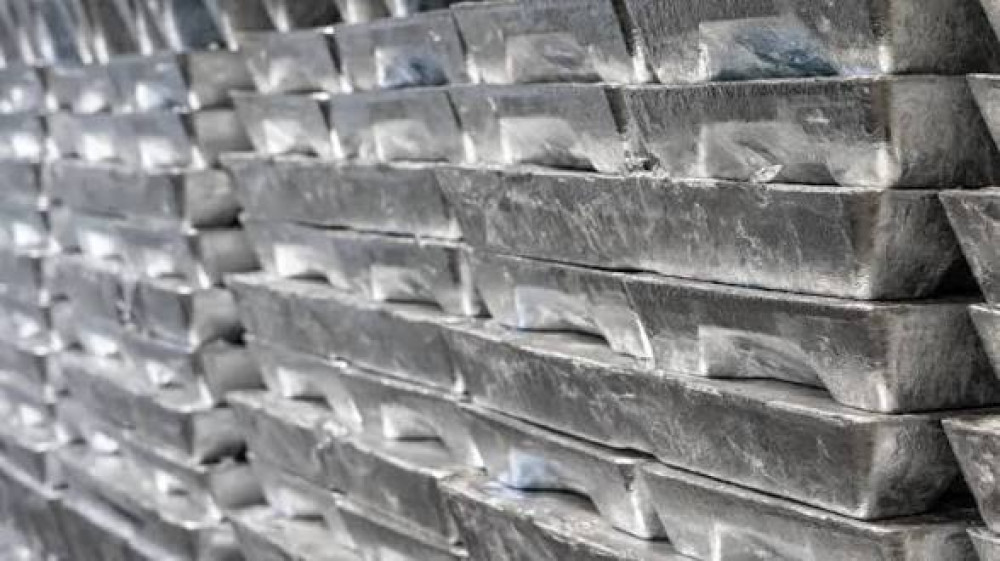

Aim-listed Zanaga Iron Ore Company (ZIOC) is advancing a bulk sampling programme at its Zanaga iron-ore project in Congo-Brazzaville, extracting about 30,000 t of ore for metallurgical testing.
The programme will produce a 100-t composite sample from the project's hematite zone, which is targeted for Stage 1 operations with planned capacity of 12-million tonnes a year, Creamer Media reported on September 15, 2026.
The sample will undergo further metallurgical testing and pilot-scale work to validate the project's revised direct reduced iron (DRI) processing flowsheet. The results will also support concentrate specification work, process engineering and product testing with steel mills, independent laboratories and potential offtakers.
The programme represents the first major equipment mobilisation at the project site since 2014 and is intended to support completion of the front-end engineering design (FEED) programme ahead of a final investment decision and eventual construction.
Equipment and personnel mobilisation began in July following the company's May equity raise. ZIOC said excavation is continuing under the required environmental and mining permits after consultations with government authorities, project communities and traditional custodians.
Composite samples from the main hematite ore types are expected to provide a more detailed understanding of the processing feed anticipated during the first five to 10 years of Stage 1 operations.
The programme includes site preparation, excavation, sample extraction, compositing and detailed material characterisation. Its results will help determine the crushing, grinding and screening configuration for the proposed Stage 1 processing plant and support large-scale product testing.
ZIOC said the work will also inform the revised Stage 1 base-case flowsheet, equipment selection, updated mass, energy and water balances, and definitive process capital and operating cost estimates as part of the FEED programme.
CEO Martin Knauth said the programme remained on schedule and would help define the project's revised processing route.
“Having spent significant time in country and on site over recent months, I’ve been highly encouraged by the progress our project team is making with the bulk sampling programme, which remains on schedule. This programme is aimed at enabling us to define the revised Stage 1 base case flowsheet targeting a DRI-specification product, while further informing the inputs required to definitively map the pathway to mine construction and production,” Knauth said.
Knauth said the company would provide further updates as the programme advances.




Comment on this Post
Comments (0)